
Efficient raymond mill used in argentina for dolomite glass manufacturing
Efficient Raymond Mill Used in Argentina for Dolomite Glass Manufacturing
The Argentine glass manufacturing sector has experienced significant growth over the past decade, driven by both domestic demand and export opportunities. A critical component in this industry’s supply chain is the consistent production of high-purity, finely ground dolomite powder. Dolomite, a calcium magnesium carbonate mineral, serves as a vital fluxing agent and stabilizer in glass batches, improving chemical durability and workability. For manufacturers in regions like Mendoza and Córdoba, selecting the right milling technology is not merely an operational decision but a strategic one impacting product quality, energy costs, and environmental compliance.
Traditional grinding solutions often struggle with the specific demands of dolomite processing. The need for a consistent particle size distribution between 200 to 400 meshes is paramount for uniform melting in the furnace. Furthermore, excessive iron contamination from mechanical wear of mill components can introduce impurities, leading to discoloration in the final glass product—a defect that is commercially unacceptable. This is where the evolution of Raymond mill technology becomes indispensable.
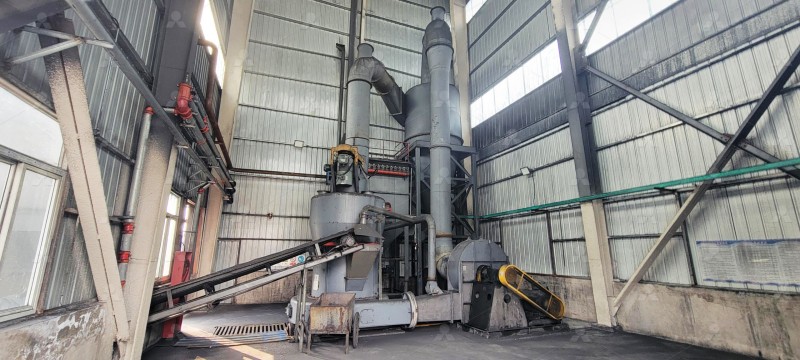
The Raymond Mill Evolution: Meeting Modern Industrial Demands
The classic Raymond mill, a stalwart in powder processing for decades, has undergone substantial technological refinements. Modern iterations are engineered for higher efficiency, precision, and environmental stewardship. In the Argentine context, where energy costs can be volatile and environmental regulations are tightening, these advancements are crucial. The core principle remains—grinding via rollers against a stationary ring—but enhancements in classifier technology, drive systems, and sealing mechanisms have dramatically improved yield and purity.
For dolomite specifically, a mill must offer adjustable fineness without frequent shutdowns, minimal internal wear to prevent contamination, and integrated dust collection to protect workers and the environment. The grinding process must be dry to preserve the chemical structure of the dolomite. An efficient system will also feature robust construction to handle the moderate hardness of dolomite (3.5-4 on the Mohs scale) while maintaining continuous operation to feed the 24/7 glass production lines.
Beyond the Standard: The Case for Advanced Ultrafine Solutions
While standard Raymond mills serve many applications, the push for higher-performance glass with specific optical and mechanical properties sometimes demands even finer or more consistent powders. This is where advanced grinding mills demonstrate their value. For instance, our MW Ultrafine Grinding Mill presents a compelling solution for producers aiming for superior product quality or those who process a range of minerals beyond dolomite.
The MW series is engineered for customers requiring ultra-fine powder. With an adjustable fineness range between 325 to 2500 meshes, it offers exceptional control for specialized applications. Its design incorporates a high-efficiency pulse dust collector and muffler, ensuring the production process meets stringent environmental standards—a key consideration for sustainable manufacturing in Argentina. Notably, its innovative grinding curve and cage-type powder selector (incorporating German technology) enhance grinding efficiency and separation precision. A significant advantage for glass manufacturers is the machine’s construction: there are no rolling bearings or screws in the grinding chamber. This design eliminates a primary source of iron contamination from bearing wear and prevents machine damage from loose screws, directly addressing the purity concerns in glass batch preparation.
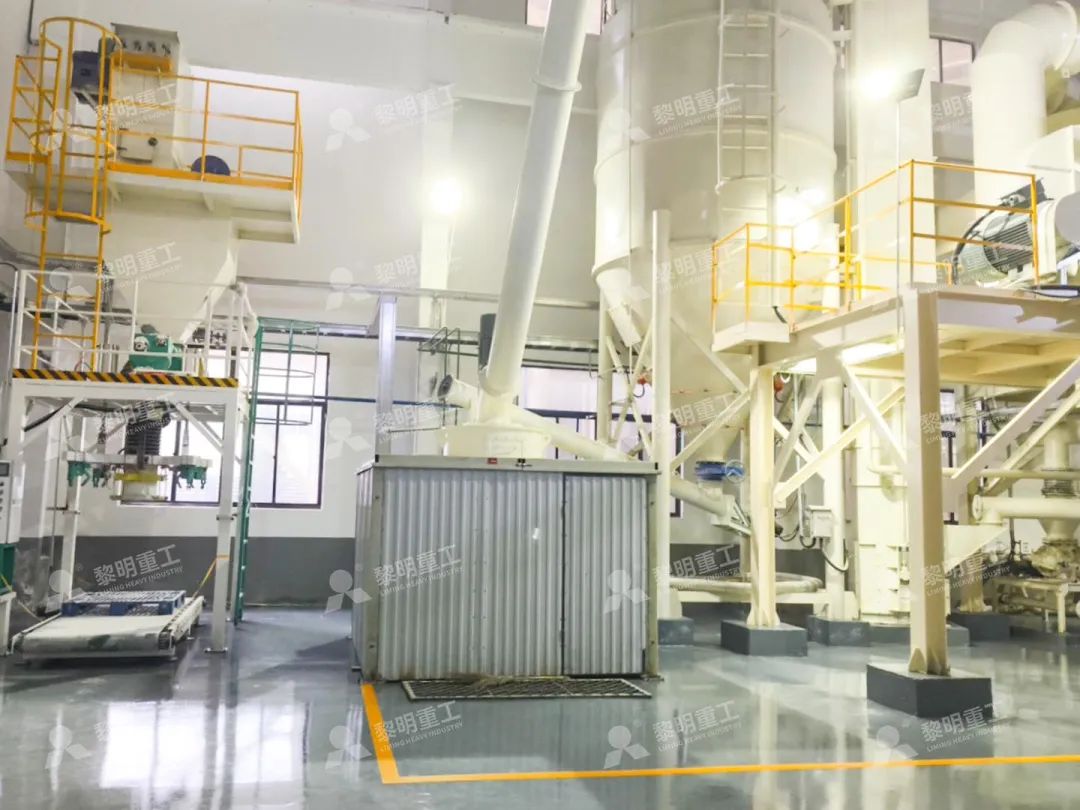
Operational Excellence in Argentine Plants
Implementing the right mill translates to tangible benefits on the factory floor. Argentine glass manufacturers report that upgrading to modern Raymond-based systems or advanced mills like the MW series has led to:
- Reduced Energy Consumption: Newer designs can offer 30-50% energy savings compared to older mill models or ball mills, directly lowering production costs.
- Enhanced Product Purity: Features like external lubrication systems and wear-resistant alloy rollers minimize iron pickup, ensuring the whiteness and clarity of the final glass are not compromised.
- Increased Production Stability: Automated control systems and robust mechanical designs reduce unplanned downtime, providing a reliable supply of dolomite powder to the batching plant.
- Improved Environmental Footprint: Closed-system grinding with effective pulse-jet dust collection contains particulate matter, helping facilities comply with local environmental regulations in provinces with strict air quality controls.
Another excellent option for high-volume operations is the LUM Ultrafine Vertical Grinding Mill. This mill integrates grinding, grading, and transporting into one unit. Its unique roller and lining plate grinding curve is designed to easily generate a material layer, enabling a high rate of finished product in a single pass. For dolomite processing, this means higher efficiency and excellent whiteness preservation. Its reversible structure allows the grinding roller to be easily moved out for maintenance, drastically reducing downtime for wear part inspection—a critical feature for maintaining continuous production flow.

Conclusion: Strategic Investment for Competitive Advantage
The choice of grinding equipment is a long-term strategic investment for Argentine glass manufacturers. In a competitive global market, the consistency, purity, and cost-effectiveness of raw materials like dolomite powder are foundational. Modern, efficient Raymond mills and their advanced successors, such as the MW Ultrafine Grinding Mill and LUM Ultrafine Vertical Grinding Mill, are no longer just processing tools; they are essential components for ensuring product excellence, operational resilience, and sustainable growth. By partnering with a technology provider that offers robust machinery, digital precision in manufacturing, and comprehensive after-sales support, Argentine glass producers can solidify their position as leaders in quality glass manufacturing for decades to come.
Frequently Asked Questions (FAQs)
- What is the typical fineness range required for dolomite in glass manufacturing?
Most glass batch recipes require dolomite ground to between 200 and 400 meshes (approximately 75 to 38 microns). Advanced mills can consistently achieve and adjust within this range. - How does iron contamination affect glass, and how is it prevented in your mills?
Iron contamination causes greenish or brownish discoloration in glass. Our mills use designs with no internal bearings/screws in the grinding zone (MW Series) and wear-resistant alloys to minimize mechanical wear, the primary source of iron introduction. - Can your mills handle the varying moisture content sometimes found in Argentine dolomite?
Our vertical mill series (like LM and LUM) integrate drying capabilities with hot air, making them suitable for materials with some moisture. For the MW or Raymond mills, we recommend a pre-drying step if moisture is consistently above 1-2%. - What kind of after-sales support and spare parts availability can we expect in Argentina?
We maintain a global supply chain and partner with local distributors to ensure timely technical support and genuine spare parts delivery, minimizing operational disruptions. - Is the noise level of these mills compliant with Argentine workplace safety regulations?
Yes. Our mills are equipped with mufflers and sound-dampening technologies. The MW series, for example, features an integrated silencer and noise elimination design to keep operations within permissible limits. - What is the key difference between a traditional Raymond mill and your MW Ultrafine Grinding Mill for dolomite?
The key differences are fineness range, contamination control, and efficiency. The MW mill can produce much finer powder (up to 2500 mesh), has a sealed design to prevent bearing lubricant contamination, and offers higher yield with lower energy consumption per ton of product. - How does the energy consumption compare to a traditional ball mill?
Advanced grinding mills like the MW or LUM series can reduce energy consumption by 30% to 50% compared to traditional ball mills for achieving the same product fineness.