
Using industrial pulverizer for carbon black for ink production in uae
Using Industrial Pulverizer for Carbon Black for Ink Production in UAE
The United Arab Emirates, with its strategic position as a global trade and manufacturing hub, has seen significant growth in its specialty chemicals sector, particularly in high-value applications like printing ink production. At the heart of this process lies a critical raw material: carbon black. The transformation of raw carbon black into a consistent, ultra-fine powder suitable for ink formulations is a demanding task that requires precision engineering and reliable industrial grinding technology. The choice of pulverizer directly impacts ink quality, production efficiency, and operational sustainability.
The Critical Role of Particle Size in Ink Manufacturing
Ink performance is intrinsically linked to pigment particle size. For carbon black, achieving a uniform, sub-micron distribution is non-negotiable. Finer particles enhance color strength, gloss, and dispersion stability, leading to sharper print quality and smoother application. Conversely, inconsistent or coarse particles can cause nozzle clogging in digital printers, reduce opacity, and create undesirable texture. The harsh, abrasive nature of carbon black further complicates grinding, demanding equipment built for durability and minimal contamination.
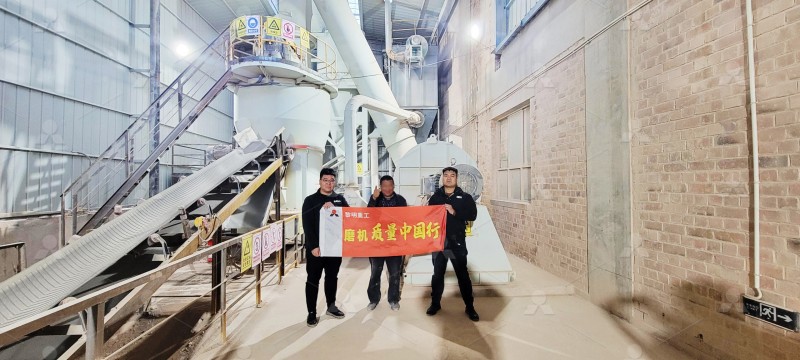
Traditional grinding methods often fall short, struggling with heat generation—which can degrade material properties—and insufficient fineness control. Modern ink production lines in the UAE’s advanced industrial zones, such as Jebel Ali and Khalifa Industrial Zone Abu Dhabi (KIZAD), require solutions that deliver not just powder, but powder with specific, repeatable characteristics.
Advanced Milling Solutions for Demanding Applications
This is where advanced ultrafine grinding mills come into play. The ideal system must handle an input size of up to 20mm, offer a capacity range that fits both pilot-scale development and full-scale production (from 0.5 to 25 tonnes per hour), and most importantly, produce powder with adjustable fineness between 325 and 2500 meshes. For carbon black ink production, the ability to reliably achieve a d97 ≤5μm particle size is a key benchmark.
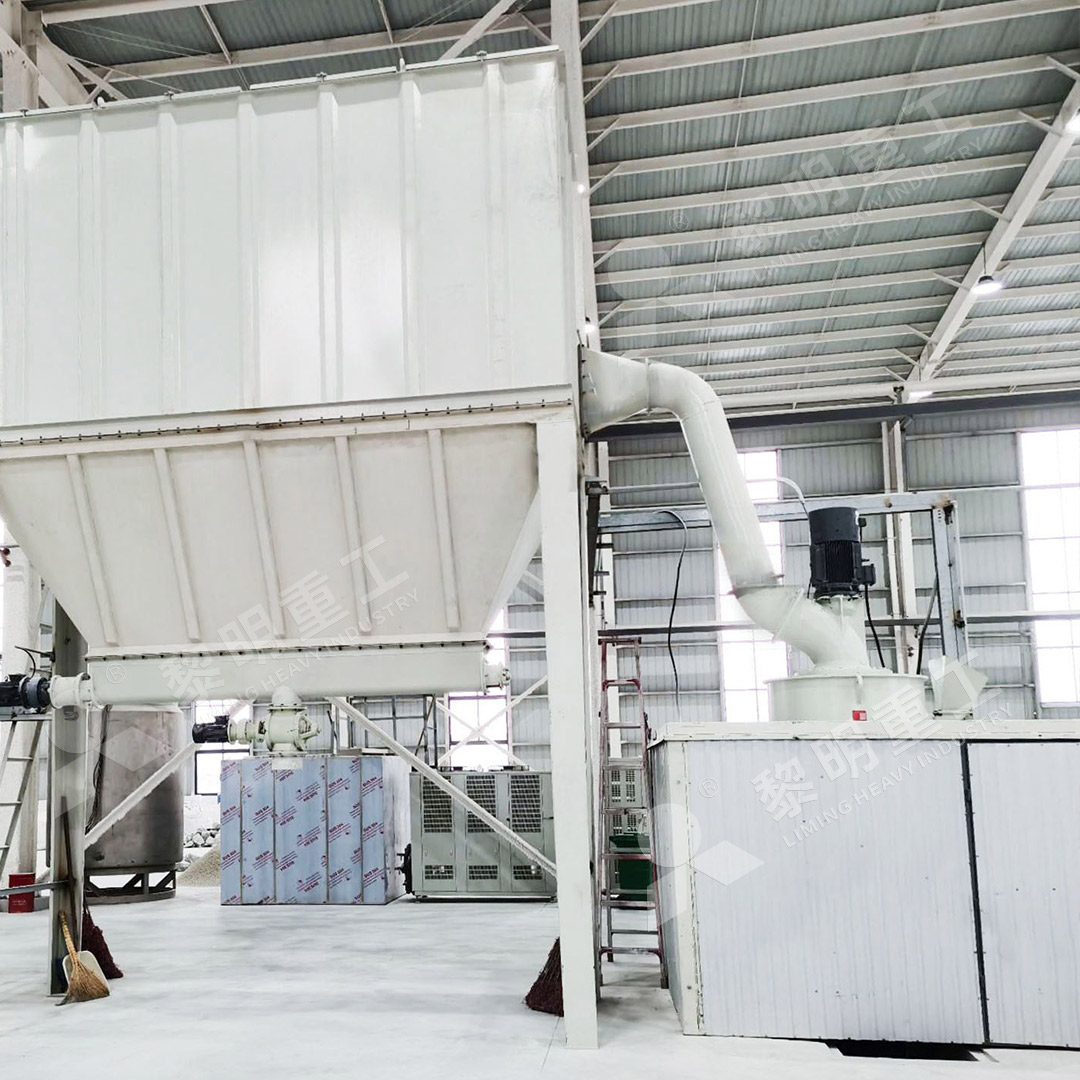
One technology that stands out for this application is the MW Ultrafine Grinding Mill. Engineered for customers who need to make ultra-fine powder, this mill incorporates several critical design features. Its newly designed grinding curves for the roller and ring enhance efficiency, reportedly offering a production capacity 40% higher than jet mills for the same fineness and power. For ink producers, this translates to higher throughput without compromising on the delicate particle size distribution required.
Key Engineering Features for Reliable, Clean Operation
Operational reliability in the UAE’s climate and industrial context is paramount. The MW Mill addresses this with a chamber design that eliminates rolling bearings and screws internally. This removes primary failure points and concerns about seal damage from abrasive carbon black dust. Furthermore, external lubrication allows for maintenance without shutdowns, supporting the continuous 24/7 production cycles common in modern manufacturing.
Environmental compliance and worker safety are also major considerations. The mill is equipped with an efficient pulse dust collector and muffler, ensuring that the entire milling process generates no dust pollution and operates with minimal noise. This fully enclosed, negative-pressure system aligns with the UAE’s stringent environmental standards and creates a cleaner, safer workplace.
Integrating into the UAE’s Industrial Ecosystem
For ink manufacturers in Dubai, Sharjah, or Abu Dhabi, integrating such a mill into their production line simplifies the supply chain. Instead of relying on imported, pre-ground carbon black with variable quality, companies can process raw material on-site with precise control. The mill’s digitalized processing and high-precision machining ensure consistency from batch to batch, a crucial factor for maintaining brand reputation in competitive markets.
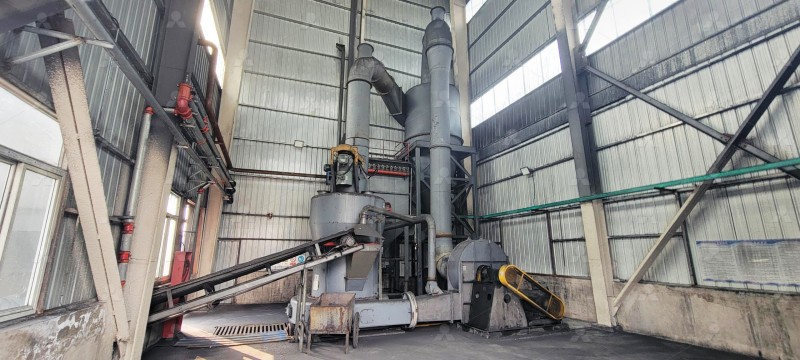
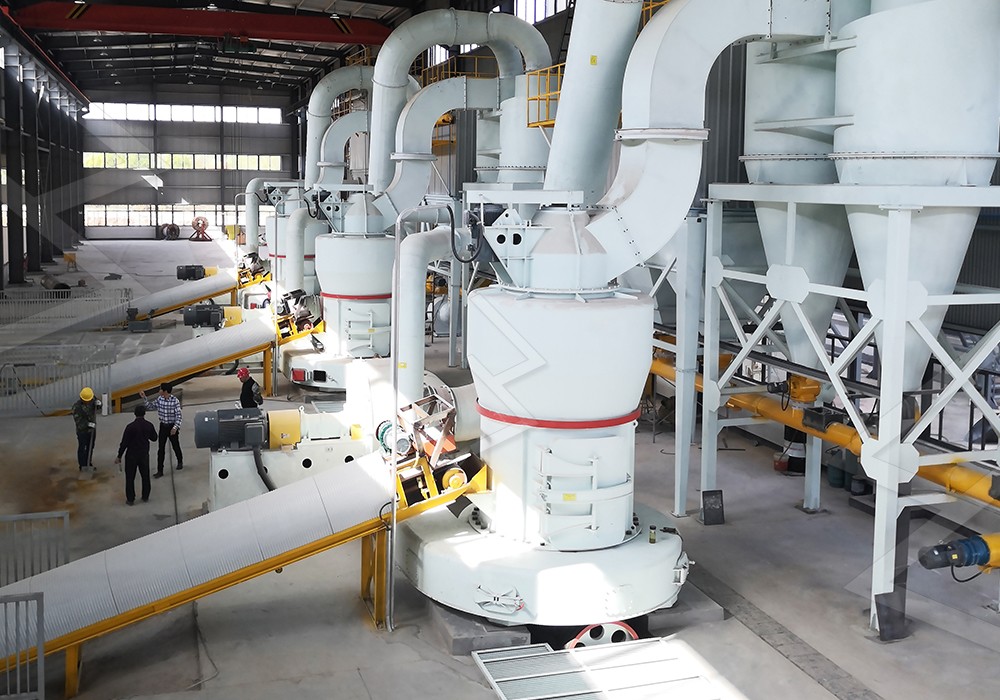
Another excellent option for high-volume, precision grinding is the LUM Ultrafine Vertical Grinding Mill. Independently designed with the latest grinding roller and powder separating technology, it integrates grinding, grading, and transporting. Its unique roller shell and lining plate grinding curve promote easier material layer formation and a high rate of finished product in a single pass. This design minimizes repeated grinding, which is essential for maintaining the desired chemical and physical properties of carbon black. The LUM mill’s multi-head powder separating technology, controlled by a PLC system, allows for precise control over fineness and fast switching between different product specifications, offering exceptional flexibility for ink producers running multiple formulations.
Conclusion: A Foundation for Quality and Growth
The selection of an industrial pulverizer is a strategic investment for any ink producer in the UAE. By opting for advanced, purpose-built equipment like the MW Ultrafine Grinding Mill or the LUM Ultrafine Vertical Grinding Mill, companies can achieve superior product quality, enhance production efficiency, and ensure environmentally responsible operations. This technological foundation not only meets today’s demands but also positions UAE-based manufacturers for future growth in the regional and global specialty inks market.
Frequently Asked Questions (FAQs)
1. What is the primary advantage of using an ultrafine grinding mill for carbon black in ink production?
The primary advantage is the ability to achieve a consistent, ultra-fine particle size (often down to d97 ≤5μm). This directly improves the ink’s color strength, gloss, dispersion stability, and flow characteristics, leading to higher print quality and reliability in application, especially in digital and high-resolution printing.
2. How does the MW Ultrafine Grinding Mill handle the abrasive nature of carbon black?
The MW Mill is designed for durability. Its grinding chamber has no internal rolling bearings or screws, which are vulnerable to abrasive wear. Critical wear parts like the grinding ring and rollers are made from high-performance materials. This design minimizes maintenance points and prevents machine damage from loose components, ensuring long-term reliability with abrasive materials.
3. Are these grinding systems suitable for the climate and environmental regulations in the UAE?
Yes. Mills like the MW series are equipped with fully integrated, efficient pulse dust collectors and silencers. The entire system operates under negative pressure, preventing any dust spillage. This meets and exceeds local environmental standards for emissions and workplace safety, while the robust construction is suitable for industrial operating conditions.
4. What production capacity range should I consider for a medium-scale ink manufacturing plant?
For a medium-scale operation, a mill with a capacity range of 0.5 to 25 tonnes per hour (tph), like the MW Ultrafine Grinding Mill, offers excellent flexibility. It allows you to start production at a lower scale and ramp up as demand grows, without needing to invest in entirely new equipment.
5. Can the fineness of the final carbon black powder be adjusted for different ink types?
Absolutely. Advanced mills feature adjustable cage-type powder selectors. For instance, the MW Mill allows operators to adjust the product fineness between 325 and 2500 meshes. This enables the production of different grades of carbon black powder tailored for various ink formulations, from newsprint to high-gloss specialty inks.
6. How important is after-sales support and spare parts availability in the UAE?
It is critical. Downtime is costly. Choosing a supplier like LIMING, which takes full responsibility for its machines and guarantees a sufficient supply of original spare parts, ensures worry-free operation. Local or readily available technical support is essential for maintaining continuous production in a fast-paced market.
7. Besides carbon black, can the same mill be used for other materials in my plant?
Yes, these ultrafine grinding mills are highly versatile. The MW and LUM mills are applicable to a wide range of non-metallic minerals and industrial powders, including limestone, calcite, talc, gypsum, and barite. This versatility can be valuable for companies producing multiple product lines or looking to diversify in the future.