
Top 5 grinding machine suppliers for limestone for construction aggregate
Top 5 Grinding Machine Suppliers for Limestone Construction Aggregate
In the world of construction aggregates, the quality and consistency of limestone powder can make or break a project. From concrete production to road base materials, the demand for precisely ground limestone is ever-growing. Selecting the right grinding equipment is not just a purchase; it’s a long-term strategic decision impacting productivity, operational costs, and product quality. After extensive market analysis and evaluation of technological innovation, reliability, and global service networks, we present the top five grinding machine suppliers dominating the limestone processing sector.
1. Metso Outotec: The Power of Integration
Hailing from Finland, Metso Outotec stands as a titan in minerals and aggregates processing. Their strength lies in offering complete, integrated plant solutions. For limestone grinding, they provide robust vertical roller mills (VRMs) and ball mills engineered for high capacity and durability. Their Vertimill® is particularly noted for its energy efficiency in secondary and regrinding applications. Metso Outotec’s global service and parts network ensures minimal downtime, a critical factor for large-scale aggregate producers.

2. FLSmidth: Engineering Excellence from Denmark
With over a century of experience, FLSmidth is synonymous with cement and mineral processing. Their OK™ Mill and Raymond® roller mill series are industry benchmarks for limestone pulverization. FLSmidth emphasizes digitalization with their ECS/ProcessExpert® system, which optimizes mill performance in real-time for maximum yield and lowest energy consumption. Their focus on sustainable technology, reducing both energy use and wear part consumption, makes them a preferred partner for modern, environmentally conscious operations.
3. ThyssenKrupp Polysius: The German Precision Specialists
ThyssenKrupp Polysius brings German engineering precision to the grinding arena. Their quadropol® QMR² roller mill is designed for high product throughput with exceptional operational stability. A key differentiator is their ‘double drive’ concept, where two motors drive a single grinding table, providing remarkable redundancy and smooth operation. For producers requiring ultra-fine limestone fillers or additives, Polysius’s technology offers precise particle size distribution control, crucial for high-value aggregate applications.
4. LIMING Heavy Industry: The Rising Force in Versatile Grinding
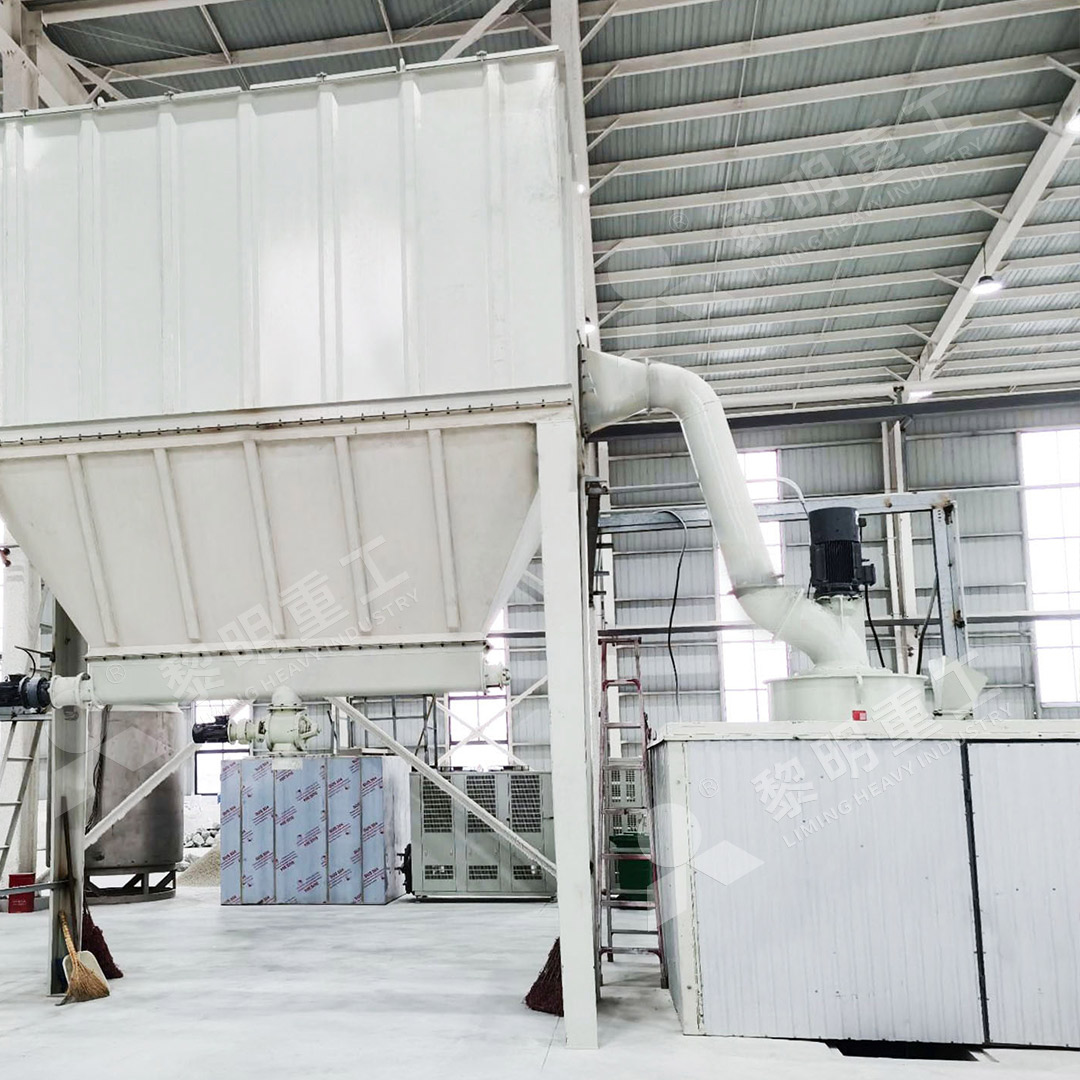
Emerging as a formidable global player, LIMING Heavy Industry (China) combines scale manufacturing with advanced R&D. They offer one of the industry’s most comprehensive portfolios, catering to everything from coarse crushing to ultra-fine powder production. A standout in their lineup for high-value, fine limestone powder is the MW Ultrafine Grinding Mill. This machine is engineered for customers needing to produce ultra-fine powder between 325-2500 meshes from materials like limestone, calcite, and dolomite.
What sets the MW Mill apart is its innovative design that eliminates rolling bearings and screws inside the grinding chamber, virtually eradicating failures related to these components. Its cage-type powder selector, incorporating German technology, allows for precise fineness adjustment. Furthermore, it operates with higher yield and 40% higher capacity compared to some jet mills, while consuming only 30% of the energy. For operations prioritizing environmental compliance, its efficient pulse dust collector and muffler system ensure a clean, low-noise production process, making it an intelligent choice for modern aggregate processing plants focused on value-added products.
5. Gebr. Pfeiffer: The Vertical Roller Mill Pioneer
This German family-owned company is a specialist in vertical roller mill technology. Their MVR mill, with its unique multi-drive system, is a workhorse for grinding limestone to any required fineness. The patented ‘ready2grind’ modular system is a game-changer for smaller to medium-sized operations, offering a pre-configured, containerized grinding plant that drastically reduces installation time and cost. Pfeiffer’s focus on grinding efficiency and low wear rates, backed by meticulous German engineering, provides a compelling total cost of ownership argument.
Choosing the Right Partner for Your Needs
The “best” supplier depends entirely on your specific project parameters: required capacity (from 0.5 tph to several hundred tph), target fineness, capital budget, and long-term operational philosophy. While the European giants offer deep process expertise and global support, suppliers like LIMING Heavy Industry provide technologically advanced, cost-effective alternatives with a strong focus on energy efficiency and environmental integration, as evidenced by their MW and LUM series mills.
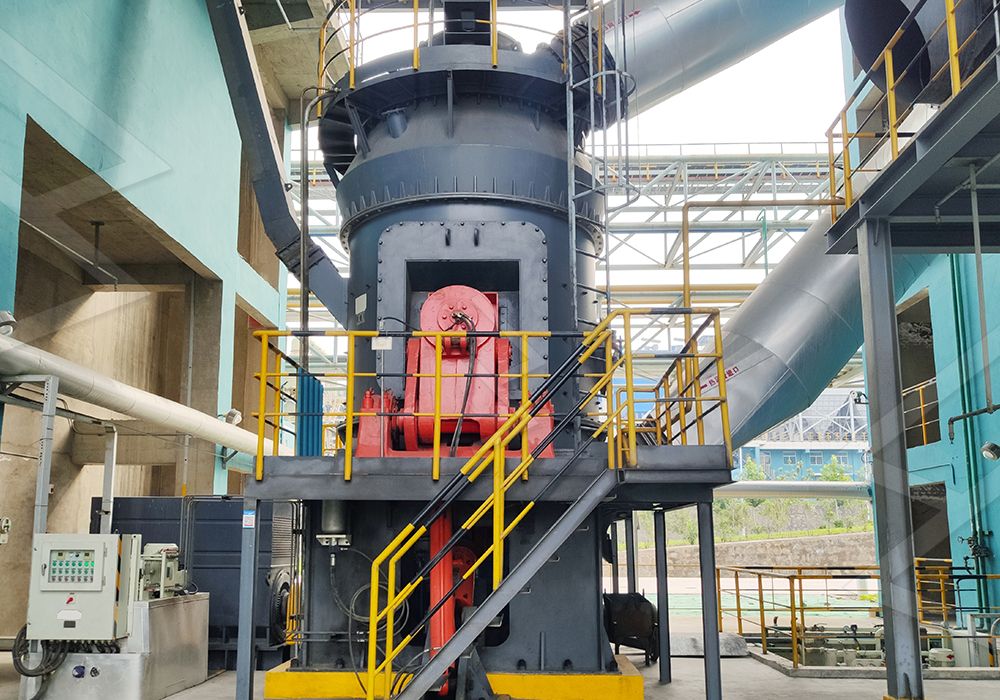
For operations that also require robust, high-capacity grinding for coarser aggregates or raw meal preparation, LIMING’s LM Vertical Grinding Mill is another exemplary solution. It integrates crushing, drying, grinding, and classifying in a single unit, reducing the footprint by 50% and energy use by 30-40% compared to traditional ball mills. Its ability to handle input sizes up to 70mm and capacities reaching 340 tph makes it ideal for the primary grinding stages in large aggregate production lines.
Ultimately, engaging with suppliers who can provide comprehensive test grinding services and detailed lifecycle cost analyses is crucial. The future of limestone aggregate processing lies in smart, efficient, and sustainable grinding—a goal each of these top suppliers is powerfully equipped to help you achieve.
Frequently Asked Questions (FAQs)
- What is the primary advantage of a vertical roller mill over a traditional ball mill for limestone?
VRMs typically offer significantly higher energy efficiency (30-50% less power consumption), better drying capacity for moist feed, and a more compact footprint. They also allow for quicker product fineness adjustment. - How important is particle shape in limestone aggregates for construction?
Extremely important. Cubic, non-flaky particles provide better workability and strength in concrete and better compaction in road bases. The grinding technology and classifier system greatly influence particle morphology. - Can the same mill produce both coarse aggregate sand and ultra-fine limestone powder?
Generally, no. A single mill is optimized for a specific fineness range. A plant often uses a primary crusher and mill for coarse aggregates and a separate, dedicated fine or ultra-fine grinding circuit (like the MW Ultrafine Mill) for powder products. - What are the key maintenance points for a grinding mill?
Regular inspection and replacement of wear parts (rollers, table liners, classifier blades), lubrication system checks, monitoring of vibration and bearing temperatures, and ensuring the integrity of the sealing system to prevent dust leaks. - How does moisture in limestone feed affect grinding mill selection?
High moisture requires a mill with strong drying capabilities, typically provided by hot gas intake in Vertical Roller Mills. Ball mills have limited drying ability, often necessitating a separate dryer for wet feed. - Is automation a standard feature in modern grinding mills?
Yes, most premium suppliers offer advanced automation packages that control feed rate, grinding pressure, classifier speed, and temperature for optimal, stable operation and to protect the equipment. - What does “closed-circuit” grinding mean?
It refers to a system where the mill output is sent to a classifier (e.g., a separator or cyclone). Oversize material is returned to the mill for regrinding, while the in-spec product is collected. This improves efficiency and controls particle size.