
Professional ore grinding mill supporting dolomite fertilizer production industry in egypt
Unlocking Egypt’s Agricultural Potential: The Critical Role of Dolomite Fertilizer and Advanced Grinding Technology
Egypt’s agricultural sector, a cornerstone of its economy and food security, faces the persistent challenge of optimizing soil health and crop yields in arid and semi-arid conditions. A key strategy in this endeavor is the effective use of soil amendments, with dolomite—a calcium magnesium carbonate mineral—standing out as a vital multi-nutrient fertilizer. Dolomite not only corrects soil acidity but also supplies essential magnesium and calcium, elements crucial for chlorophyll synthesis, enzyme activation, and robust plant cell structure. However, the efficacy of dolomite as a fertilizer is intrinsically linked to its fineness and purity. This is where the precision of modern ore grinding technology becomes indispensable, transforming raw dolomite ore into a highly reactive, uniform powder that maximizes nutrient availability and absorption.
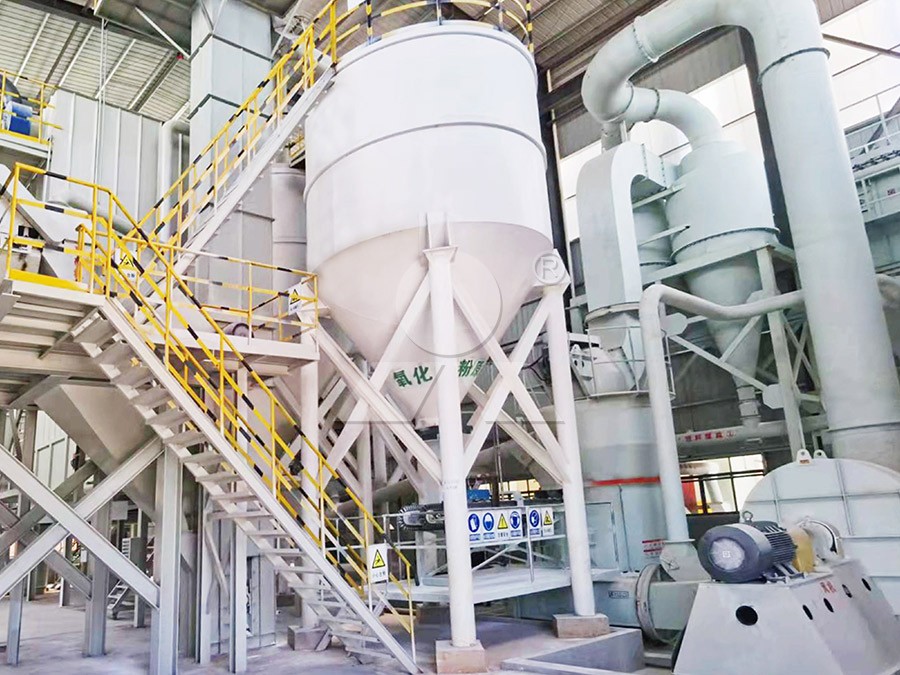
The Dolomite Processing Imperative: From Quarry to Field
The journey from dolomite quarry to arable land begins with size reduction. Traditional crushing methods produce coarse granules, but for fertilizer application, a fine, consistent powder is non-negotiable. The desired particle size, often ranging from 200 to 2500 meshes, ensures a high surface area, allowing for rapid dissolution and interaction with soil chemistry. Achieving this specification demands grinding mills engineered for high efficiency, precise classification, and operational reliability. In Egypt’s growing industrial landscape, selecting the right milling partner and technology is paramount for fertilizer producers aiming to enhance product quality while controlling capital and operational expenditures.
The market offers a variety of grinding solutions, yet not all are created equal for the specific demands of non-metallic mineral processing like dolomite. Key considerations include energy consumption per ton of output, the ability to maintain consistent fineness without contamination, system durability in dusty environments, and overall environmental footprint regarding noise and dust emissions. A mill that excels in these areas directly translates to lower production costs, superior fertilizer quality, and sustainable operations.
Engineering Excellence for Egyptian Industry: The MW Ultrafine Grinding Mill
For Egyptian enterprises focused on producing high-value dolomite fertilizer, the MW Ultrafine Grinding Mill presents a compelling, technologically advanced solution. This mill is specifically designed for customers requiring ultra-fine powders with superior particle size distribution. Its design philosophy directly addresses the core needs of the fertilizer industry.
With an input size of 0-20 mm and a capacity range of 0.5-25 tph, the MW Series offers flexibility for various production scales. Its most significant advantage lies in its higher yielding and lower energy consumption. Through newly designed grinding curves for the roller and ring, the MW Mill achieves a production capacity up to 40% higher than jet or stirred mills at the same fineness and power, while its system energy consumption is a remarkable 30% of that of a jet mill. This efficiency is a direct boon for operating costs.
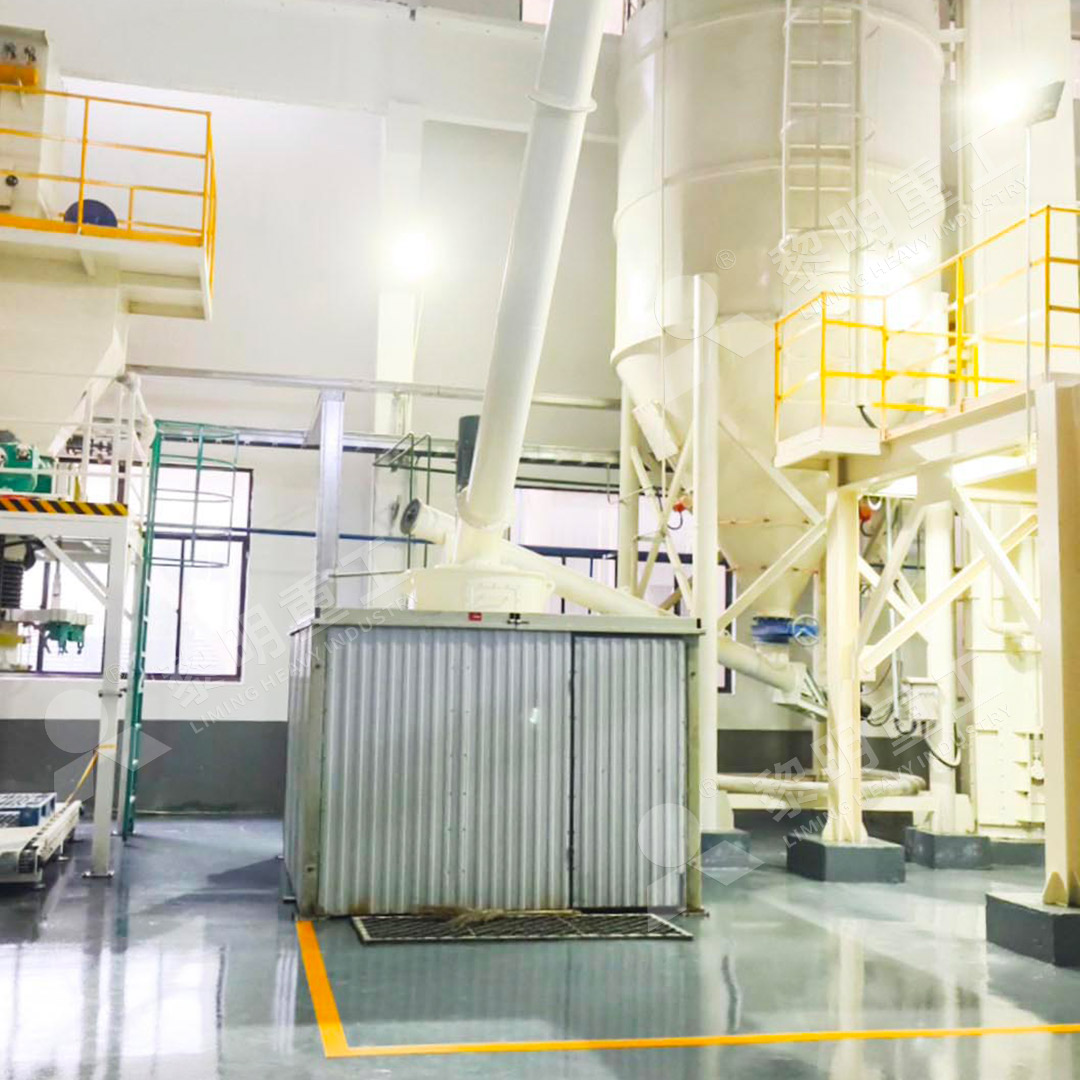
Precision is guaranteed by its German-technology-inspired cage-type powder selector, allowing adjustable fineness between 325-2500 meshes with a screening rate achieving d97≤5μm in a single pass. This ensures the dolomite powder meets exacting specifications for fertilizer reactivity. Furthermore, the mill’s internal design eliminates rolling bearings and screws in the grinding chamber, a revolutionary feature that prevents common failure points and enables worry-free, continuous 24-hour operation—a critical factor for meeting production targets.
Environmental stewardship is built-in. The MW Mill is equipped with an efficient pulse dust collector and muffler, ensuring the entire milling system operates with minimal dust pollution and noise, aligning with stringent national and international environmental standards. For Egyptian producers, this means a cleaner, safer workplace and compliance without compromise.
A Vertical Leap in Efficiency: The LUM Ultrafine Vertical Grinding Mill
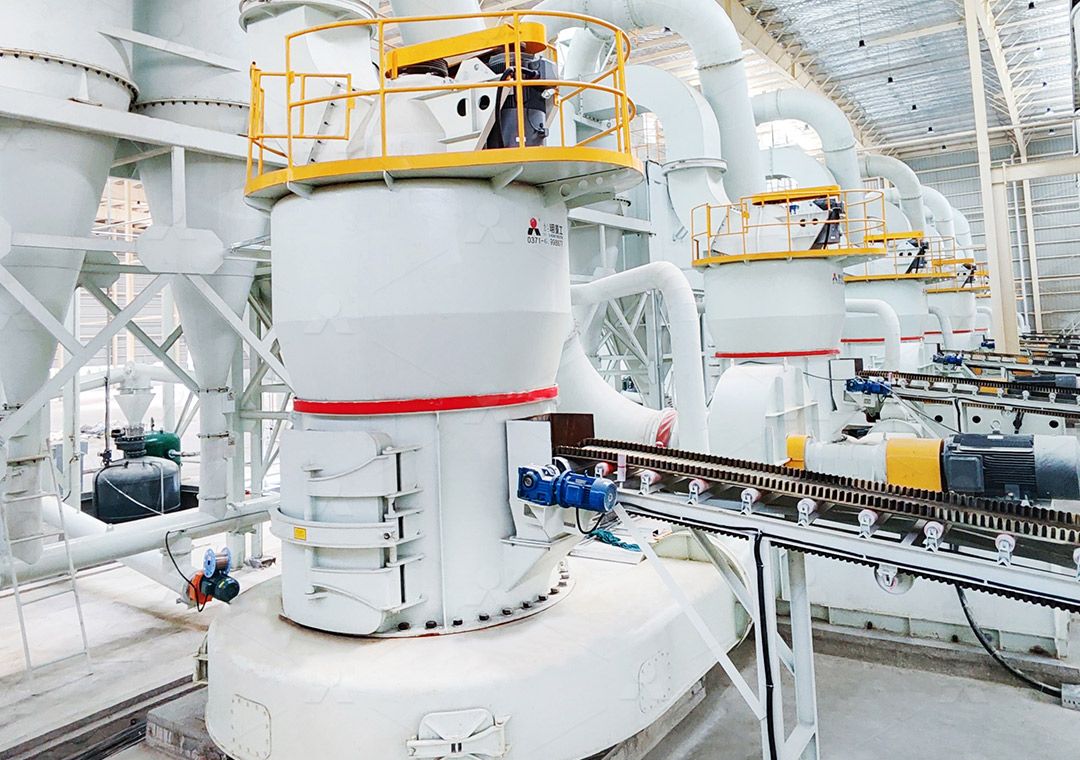
Another standout solution for high-end dolomite powder production is the LUM Ultrafine Vertical Grinding Mill. Integrating ultrafine grinding, grading, and transporting into a single, compact unit, the LUM Mill represents the next generation of vertical grinding technology. It is particularly adept at handling materials like dolomite where product whiteness and purity are paramount.
Its unique roller shell and lining plate grinding curve are designed to generate a stable material layer easily, enabling a high rate of finished product through single-pass milling. This design minimizes over-grinding and reduces the iron content in the final powder, directly enhancing the whiteness and cleanliness of the dolomite fertilizer—a key market differentiator. The mill’s multi-head powder separating technology, controlled by a PLC system, allows for precise and rapid adjustment to different fineness requirements, reducing energy consumption by 30%-50% compared to conventional mills.
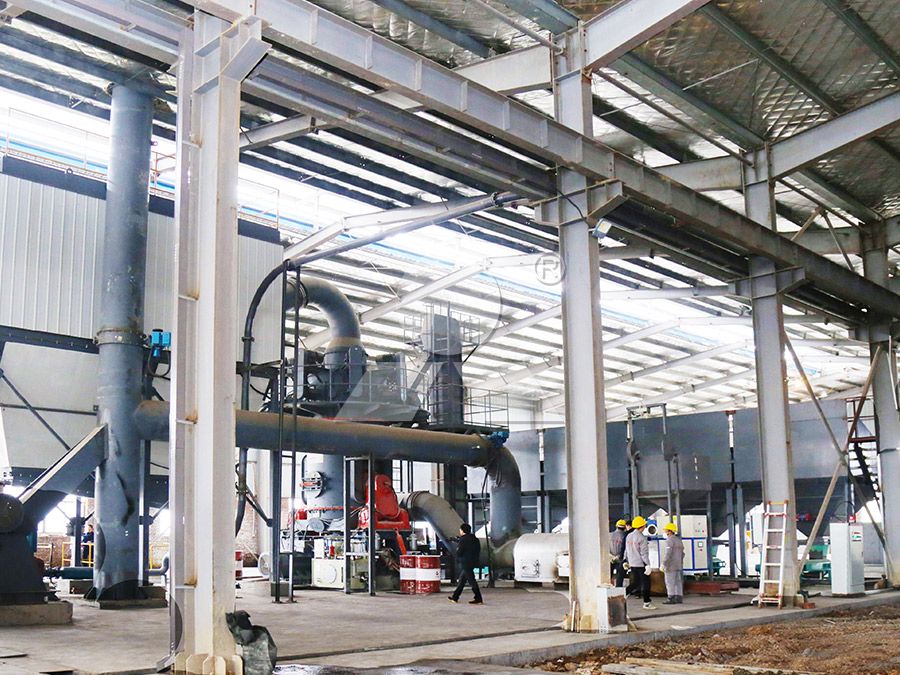
Operational stability is ensured through double position-limiting technology, protecting the mill from destructive vibration. Maintenance is simplified by a reversible structure, allowing grinding rollers to be easily moved out of the mill body for inspection or part replacement, drastically reducing downtime. With an input size of 0-10 mm and capacity of 5-18 tph, the LUM Mill is an ideal choice for producers seeking automated, high-precision, and large-scale dolomite powder production.
Strategic Investment for a Fertile Future
The choice of grinding technology is a strategic investment for Egypt’s fertilizer industry. By adopting advanced mills like the MW Series or the LUM Series, producers can achieve multiple objectives: elevating product quality to compete in premium markets, slashing energy and maintenance costs to improve profitability, and operating in an environmentally responsible manner. These mills, backed by comprehensive technical support and a guaranteed supply of original spare parts, offer a foundation for long-term, worry-free operation.
As Egypt continues to advance its agricultural and industrial capabilities, the synergy between high-quality dolomite fertilizer and state-of-the-art grinding technology will play a pivotal role. It empowers local industries to create greater value from domestic mineral resources, contributing to agricultural sustainability and economic growth. Investing in the right grinding solution is not just about processing ore; it’s about cultivating potential.
Frequently Asked Questions (FAQs)
- Q: Why is fineness so important for dolomite used as a fertilizer?
A: Finer dolomite powder has a vastly increased surface area, allowing it to react more quickly and completely with soil acids. This results in faster pH correction and more readily available magnesium and calcium for plant uptake, leading to more efficient and effective fertilization. - Q: How does the MW Ultrafine Grinding Mill achieve such low energy consumption?
A: The MW Mill utilizes optimized grinding curves and a highly efficient mechanical grinding principle that minimizes energy waste. Its design focuses on direct, effective size reduction with less reliance on high-velocity air, which is a major energy consumer in jet mills, leading to system energy consumption as low as 30% of a comparable jet mill. - Q: What does “no rolling bearing in the grinding chamber” mean for maintenance?
A: This design eliminates a critical failure point. Bearings in high-dust, high-temperature grinding environments are prone to seal failure and rapid wear. By having no such bearings inside the chamber, the MW Mill removes this risk entirely, leading to dramatically higher reliability, reduced maintenance frequency, and lower long-term spare parts costs. - Q: Can these mills handle the varying hardness of dolomite from different quarries?
A: Yes, both the MW and LUM mills are designed to process non-metallic minerals of varying hardness. The LUM Mill, for instance, allows the grinding pressure on the rollers to be adjusted via its hydraulic system to optimally process materials with different hardness levels, ensuring consistent output quality. - Q: What kind of after-sales support is available for these mills in Egypt?
A> We provide comprehensive support, including installation supervision, operator training, and a guaranteed supply of original spare parts. Our technical service team is committed to ensuring worry-free operation, with remote and on-site assistance available to maximize your mill’s uptime and productivity. - Q: How is dust controlled during the milling process?
A: Both recommended mills are equipped with high-efficiency pulse jet dust collectors integrated into the system. This creates a negative pressure environment within the mill, ensuring all airborne particles are captured and collected, resulting in a clean plant environment and allowing the recovery of product that would otherwise be lost. - Q: What is the typical lead time for installing such a grinding system?
A: Lead times vary based on model specification and system configuration. Generally, after detailed project engineering, delivery can be scheduled efficiently. We work closely with clients to plan installation and commissioning to align with their project timelines.