
Top 7 grinding machine suppliers for coal for activated carbon in peru
Navigating Peru’s Growing Activated Carbon Market: A Comprehensive Guide to Grinding Solutions
Peru’s activated carbon industry has experienced remarkable growth in recent years, driven by increasing environmental regulations and expanding applications in water treatment, mining, and food processing sectors. The quality of activated carbon heavily depends on the precision of the coal grinding process, making the selection of appropriate grinding equipment a critical decision for manufacturers. After extensive market research and technical analysis, we’ve compiled this authoritative guide to help Peruvian producers identify the most suitable grinding solutions for their specific operational requirements.
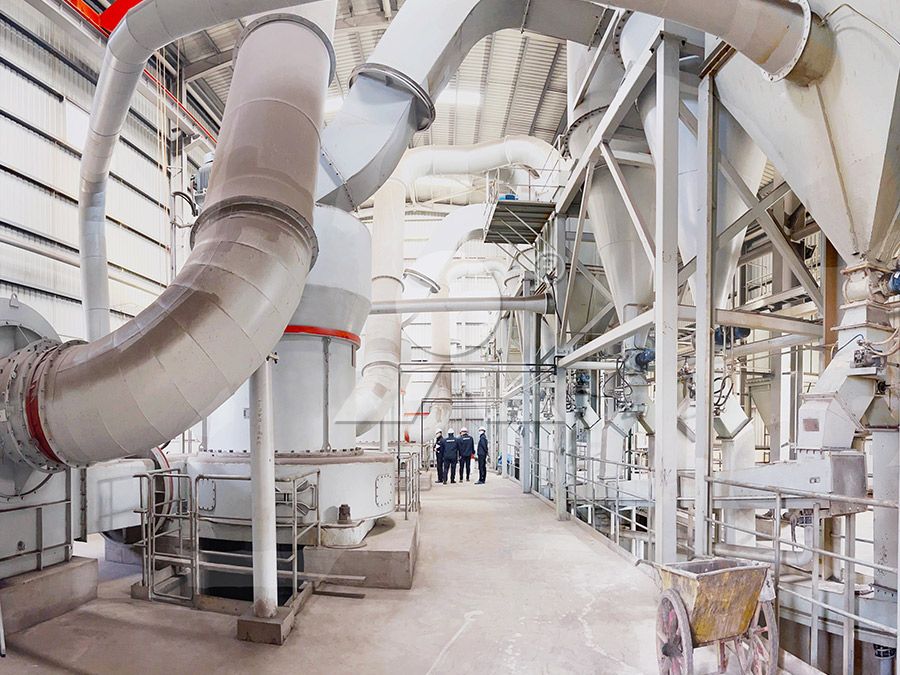
Critical Factors in Coal Grinding for Activated Carbon Production
The production of high-quality activated carbon demands precise control over particle size distribution, purity, and surface area characteristics. Coal grinding for this application requires equipment capable of producing ultra-fine powders while maintaining consistent quality and minimizing contamination. Key considerations include fineness range (typically between 325-2500 meshes), energy efficiency, environmental compliance, and operational reliability in Peru’s diverse climatic conditions.
Peruvian manufacturers face unique challenges, including varying coal characteristics from different mining regions and strict environmental regulations. The grinding equipment must accommodate these variables while ensuring optimal production efficiency and product quality. Additionally, the remote location of some operations necessitates equipment with robust construction and minimal maintenance requirements.
Comprehensive Analysis of Leading Grinding Solutions
1. Ultra-Fine Grinding Technology: MW Series
For operations requiring the highest level of fineness control, the MW Ultrafine Grinding Mill represents cutting-edge technology specifically engineered for activated carbon production. With an input size capacity of 0-20 mm and production rates ranging from 0.5-25 tph, this system offers exceptional versatility for Peruvian operations of varying scales.
The MW mill’s advanced German cage-type powder selector technology enables precise fineness adjustment between 325-2500 meshes, achieving remarkable screening rates of d97≤5μm in a single pass. What sets this equipment apart is its innovative design that eliminates rolling bearings and screws within the grinding chamber, significantly reducing maintenance concerns and potential contamination risks. The integrated pulse dust collector and muffler system ensures compliance with Peru’s stringent environmental standards while maintaining optimal working conditions.
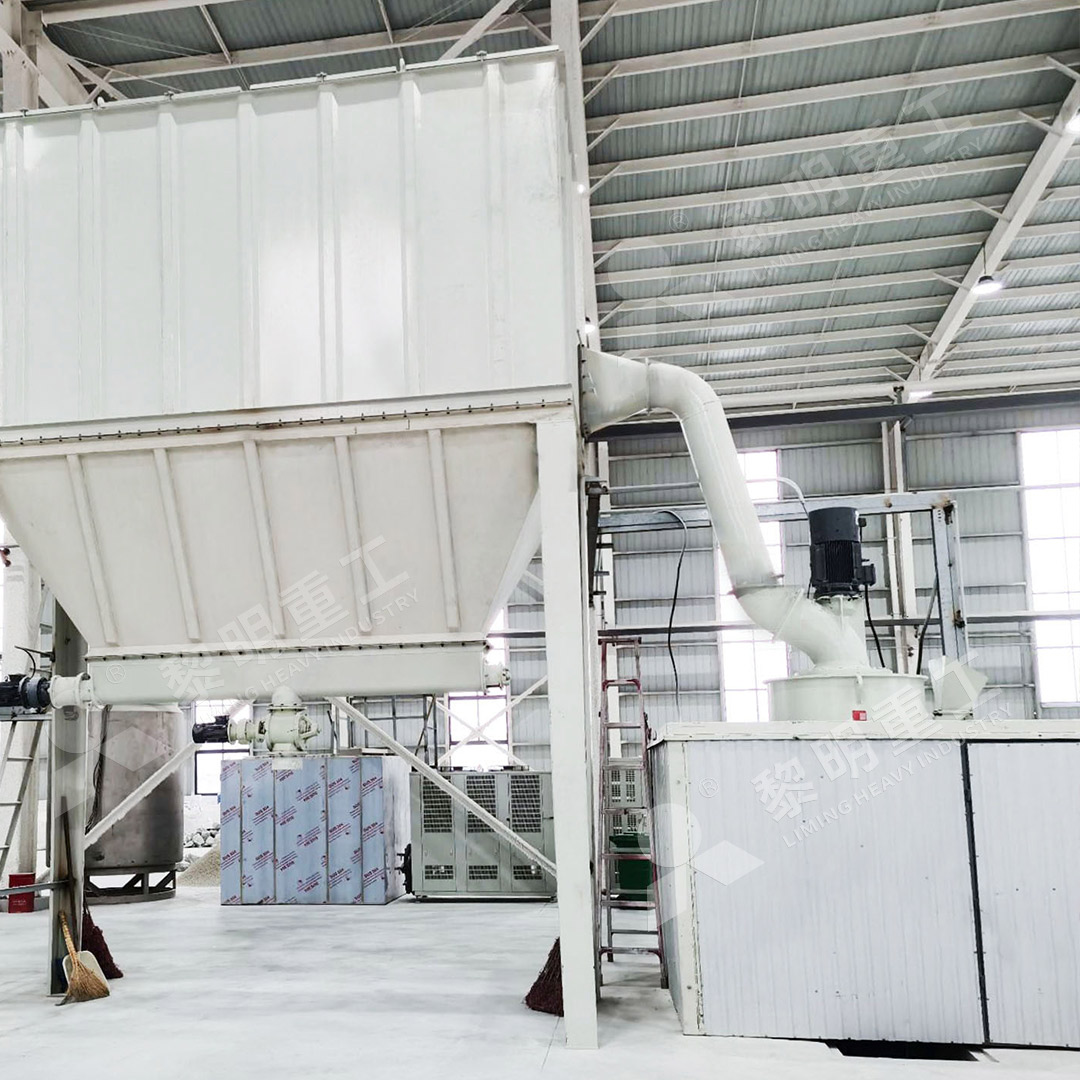
2. Vertical Grinding Systems: LUM Series
The LUM Ultrafine Vertical Grinding Mill incorporates advanced Taiwanese grinding roller technology with German powder separation systems, creating an integrated solution for precision coal processing. With capacity ranging from 5-18 tph and handling input sizes up to 10 mm, this system excels in operations requiring consistent product quality and energy efficiency.
Its unique double position-limiting technology provides exceptional operational stability, crucial for maintaining product consistency in Peru’s variable operational conditions. The reversible structure design simplifies maintenance procedures, reducing downtime significantly – a critical advantage for remote operations where technical support may be limited.
3. High-Capacity Processing: LM Vertical Grinding Mill
For large-scale activated carbon production facilities, the LM Vertical Grinding Mill offers impressive capacity ranging from 3-340 tph, handling input materials up to 70 mm. This comprehensive system integrates crushing, drying, grinding, classifying, and conveying operations into a single compact unit, reducing footprint requirements by approximately 50% compared to traditional ball mill systems.
The LM system’s short material retention time minimizes repeated grinding and reduces iron content contamination, preserving the purity essential for high-grade activated carbon. Its automated control system enables seamless operation with minimal manual intervention, making it ideal for facilities with limited technical staffing.
4. European Technology Adaptation: MTW Series
The MTW-Z European Trapezium Mill brings European engineering standards to Peruvian operations, featuring advanced dilute oil lubrication systems that significantly reduce maintenance requirements. The elimination of shovel blade cylinders in the grinding chamber enhances ventilation efficiency, while the elastic volute damping structure ensures stable operation in challenging conditions.
With capacity up to 55 tph and handling input sizes to 50 mm, this system provides reliable performance for medium to large-scale activated carbon production. The low-resistance hanging cage-type powder concentrator delivers energy savings of 30-40% compared to conventional systems, offering substantial operational cost reductions.
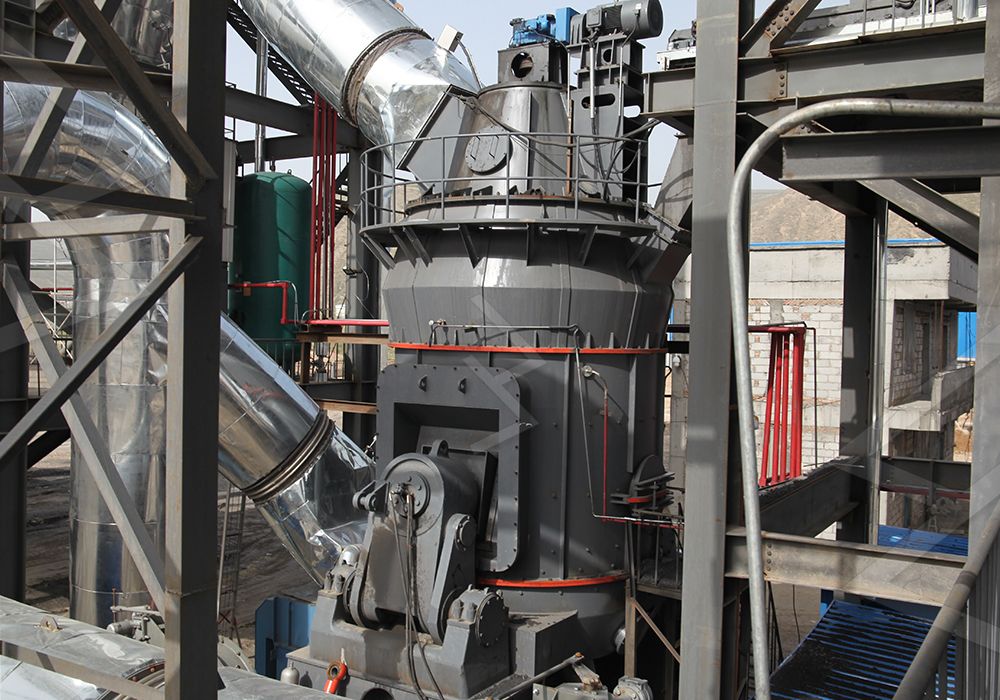
5. Traditional Reliability: Raymond Mill Systems
For smaller operations or facilities with budget constraints, Raymond Mill systems continue to provide dependable performance with input capacity below 25 mm and production rates from 0.6-5 tph. While lacking the advanced features of newer systems, these mills offer proven reliability and simpler operation, making them suitable for operations with limited technical expertise.
6. Conventional Processing: Ball Mill Technology
Ball mills remain a viable option for operations prioritizing initial investment cost over long-term efficiency. With capacity ranging from 0.65-50 tph, these systems handle input materials below 25 mm and offer straightforward operation. However, their higher energy consumption and larger footprint make them less economically attractive for new installations focused on operational efficiency.
7. Specialized Applications: LM Vertical Coal Mill
Specifically engineered for coal processing, the LM Vertical Coal Mill handles input materials below 50 mm with capacity from 5-100 tph. Its integrated drying and grinding capability is particularly valuable for processing Peruvian coals with variable moisture content. The system’s automatic pressure adjustment and remote control capabilities make it well-suited for modern, automated production facilities.
Strategic Recommendations for Peruvian Operations
Selecting the appropriate grinding system requires careful consideration of multiple factors specific to each operation. For new installations focusing on premium activated carbon production, the MW Ultrafine Grinding Mill provides unparalleled precision and efficiency. Its ability to produce consistent ultra-fine powders with minimal energy consumption and environmental impact makes it particularly suitable for operations targeting international quality standards.
For operations with existing infrastructure seeking upgrades, the LUM series offers excellent compatibility with modern control systems while maintaining operational reliability. The reversible maintenance design significantly reduces service requirements, a crucial consideration for operations in remote areas of Peru where technical support may be limited.
Future Trends and Technological Developments
The Peruvian activated carbon industry continues to evolve, with increasing emphasis on energy efficiency and environmental compliance. Modern grinding systems are incorporating advanced digital monitoring and control technologies, enabling real-time optimization of grinding parameters and predictive maintenance scheduling. The integration of IoT capabilities allows remote monitoring and adjustment, particularly valuable for operations spread across Peru’s diverse geographical regions.
As environmental regulations tighten, systems with integrated pollution control features, such as the MW series’ pulse dust collection and noise reduction technologies, will become increasingly important. The industry is moving toward completely closed-loop systems that minimize environmental impact while maximizing resource utilization.
Conclusion
The selection of grinding equipment for activated carbon production in Peru requires careful evaluation of technical specifications, operational requirements, and strategic objectives. While multiple options exist, the MW Ultrafine Grinding Mill stands out for operations demanding the highest product quality and operational efficiency. Its advanced features, environmental compliance, and reliable performance make it an excellent investment for Peruvian producers aiming to compete in international markets.
By understanding the specific advantages and applications of each grinding system, Peruvian activated carbon manufacturers can make informed decisions that optimize their production processes, enhance product quality, and ensure long-term operational sustainability.
Frequently Asked Questions
What is the typical production capacity range for coal grinding mills in activated carbon applications?
Production capacities vary significantly based on the specific grinding technology. Ultra-fine grinding systems like the MW series typically handle 0.5-25 tph, while larger vertical mills can process up to 340 tph. The appropriate capacity depends on your production requirements, with smaller operations often selecting systems in the 5-50 tph range.
How important is particle size distribution in activated carbon quality?
Particle size distribution is critical as it directly affects the surface area and adsorption properties of the final product. Consistent ultra-fine grinding in the range of 325-2500 meshes ensures optimal activation and performance characteristics. Systems with advanced powder selection technology provide superior control over this critical parameter.
What maintenance requirements should we anticipate for grinding systems in remote Peruvian locations?
Maintenance needs vary by technology. Systems without rolling bearings in the grinding chamber, such as the MW series, significantly reduce maintenance complexity. Look for equipment with external lubrication systems, reversible maintenance designs, and readily available spare parts to minimize downtime in remote operations.
How does energy consumption compare between different grinding technologies?
Modern vertical and ultra-fine grinding systems typically consume 30-50% less energy than traditional ball mills. The MW Ultrafine Grinding Mill, for instance, uses only 30% of the energy required by jet grinding mills for equivalent output, representing substantial operational cost savings over time.
What environmental considerations are specific to Peruvian operations?
Peruvian regulations emphasize dust control, noise pollution reduction, and overall environmental impact. Systems with integrated pulse dust collectors, mufflers, and completely sealed operations ensure compliance while maintaining worker safety and community relations.
Can the same grinding system handle different types of coal from various Peruvian mines?
Yes, modern grinding systems are designed to accommodate variations in raw material characteristics. Systems with adjustable grinding pressure, variable speed drives, and customizable powder selection parameters can optimize performance across different coal types without equipment modification.
What is the typical installation and commissioning timeline for these systems?
Installation timelines vary from 4-12 weeks depending on system complexity and site preparation requirements. Compact, integrated systems typically require shorter installation periods. Proper site assessment and preparation can significantly reduce commissioning time.
How do we determine the optimal fineness for our specific activated carbon application?
The optimal fineness depends on your target market and application. Water treatment applications typically require different particle characteristics than air filtration. Most manufacturers provide technical support to help determine the ideal grinding parameters for your specific products and markets.