
How to Optimize Bentonite Processing with Raymond Mill for Animal Feed Binder in Tanzania
How to Optimize Bentonite Processing with Raymond Mill for Animal Feed Binder in Tanzania
The Tanzanian animal feed industry has experienced remarkable growth in recent years, driven by increasing demand for quality livestock products. As feed manufacturers seek to improve pellet quality, reduce production costs, and enhance nutritional value, bentonite clay has emerged as a crucial binding agent in feed formulations. However, the effectiveness of bentonite as a binder heavily depends on proper processing and optimal particle size distribution, making the choice of grinding equipment critical to success.
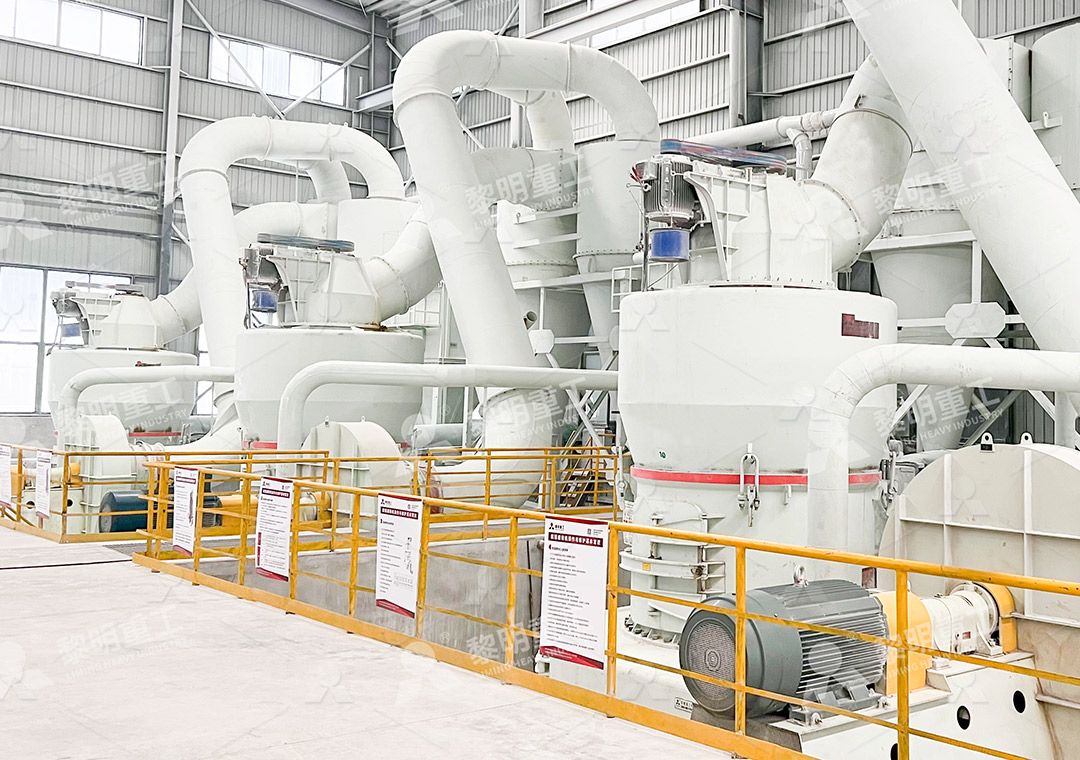
The Critical Role of Bentonite in Animal Feed Production
Bentonite’s unique swelling properties and cation exchange capacity make it an exceptional binding agent for animal feed pellets. When properly processed, bentonite improves pellet durability, reduces dust formation during handling and transportation, and enhances feed conversion rates. The mineral’s ability to absorb moisture helps maintain pellet integrity in humid conditions, a particular advantage in Tanzania’s varied climate zones.
Beyond its binding capabilities, bentonite offers additional benefits in animal nutrition. It can bind mycotoxins, reduce the incidence of aflatoxin contamination in feed, and provide essential minerals. For Tanzanian feed producers facing challenges with ingredient quality consistency and storage conditions, these properties make bentonite an invaluable additive.
Challenges in Bentonite Processing for Feed Applications
Processing bentonite for animal feed applications presents specific challenges that require careful equipment selection. The material’s natural moisture content, which can vary significantly depending on the source mine, affects grinding efficiency. Additionally, bentonite’s plate-like crystal structure requires specialized milling approaches to achieve the optimal particle size without damaging the mineral’s natural swelling capacity.
In Tanzania, where bentonite deposits are found in regions such as Pugu Hills and around Lake Manyara, the mineral’s characteristics can vary considerably between sources. This variability demands flexible processing equipment capable of handling different material properties while maintaining consistent output quality.
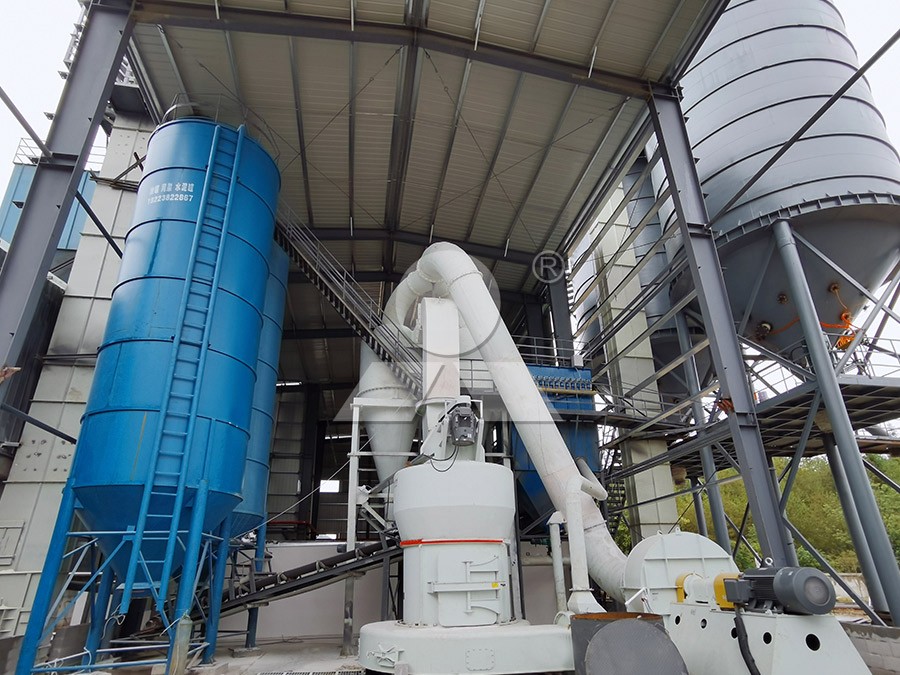
Raymond Mill: The Optimal Solution for Bentonite Processing
Raymond Mill technology has proven particularly effective for bentonite processing in animal feed applications. The traditional Raymond Mill design, with its grinding roller and ring configuration, creates the ideal combination of impact and shear forces needed to liberate bentonite’s plate-like structures without excessive heat generation that could compromise the mineral’s binding properties.
The Raymond Mill’s ability to produce particles in the 80-400 mesh range makes it perfectly suited for feed binder applications, where optimal particle size distribution ensures maximum binding efficiency while maintaining good flow characteristics in the final feed mix. With an input size of <25 mm and capacity ranging from 0.6-5 tph, standard Raymond Mills offer Tanzanian feed producers a scalable solution that matches typical production requirements.
Advanced Alternatives for Enhanced Performance
While traditional Raymond Mills provide excellent performance for many bentonite processing applications, technological advancements have created even more efficient solutions. For operations requiring higher production capacity or finer particle sizes, the MW Ultrafine Grinding Mill represents a significant step forward in bentonite processing technology.
With an input size of 0-20 mm and capacity ranging from 0.5-25 tph, the MW Ultrafine Grinding Mill delivers substantial advantages for feed binder production. Its innovative design features higher yielding and lower energy consumption, achieving production capacity 40% higher than jet grinding mills with system energy consumption only 30% of comparable equipment. For feed manufacturers focused on operational efficiency, these performance characteristics translate directly to improved profitability.
The MW Ultrafine Grinding Mill’s adjustable fineness between 325-2500 meshes provides unprecedented flexibility in product specification, allowing producers to tailor bentonite powder precisely to their feed formulation requirements. The mill’s unique design without rolling bearings or screws in the grinding chamber eliminates common failure points, ensuring reliable operation in Tanzania’s sometimes challenging industrial environments.
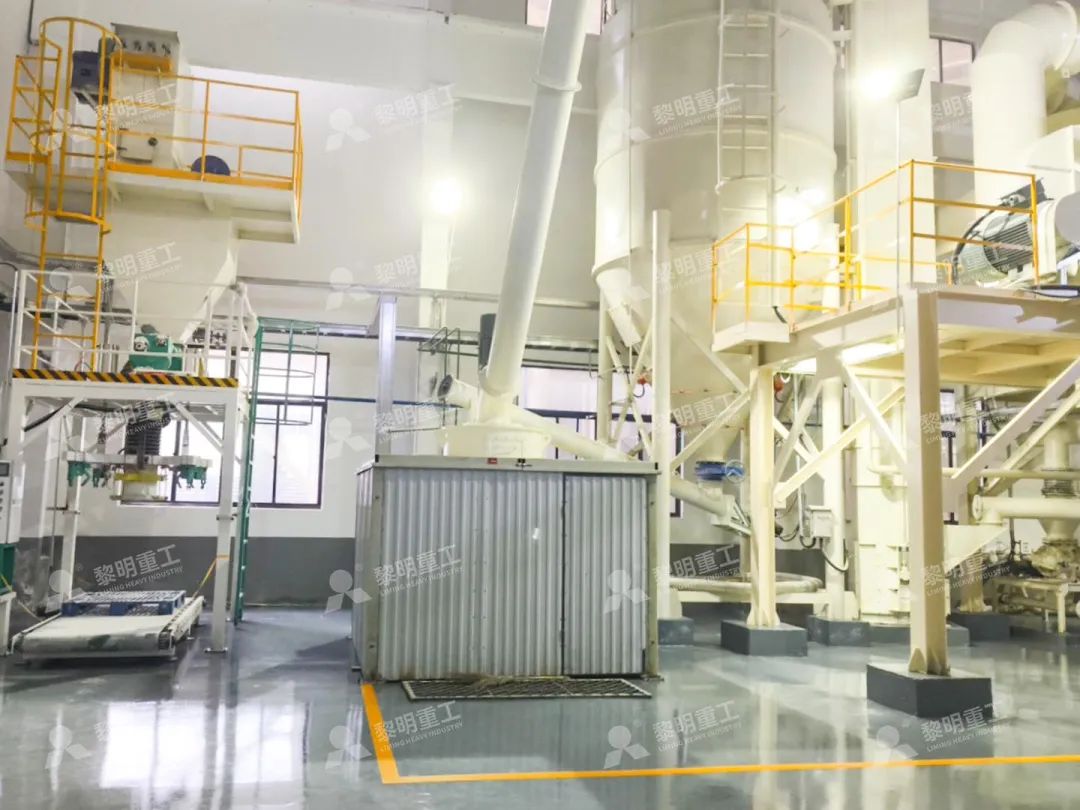
Optimizing Raymond Mill Operations for Tanzanian Conditions
Successful bentonite processing in Tanzania requires more than just selecting the right equipment; it demands careful optimization of operating parameters to match local conditions. Moisture content management is particularly important, as Tanzania’s humidity variations can significantly impact grinding efficiency and final product quality.
Proper maintenance protocols extend equipment lifespan and ensure consistent product quality. The rugged construction of Raymond Mills makes them well-suited to Tanzanian operating conditions, but regular inspection of grinding elements and proper lubrication remain essential. For operations using the MW Ultrafine Grinding Mill, the external lubrication system and absence of internal screws simplify maintenance procedures, reducing downtime and operational costs.
Economic Considerations for Tanzanian Feed Producers
The economic viability of bentonite processing depends significantly on equipment selection and operational efficiency. While initial investment costs are important considerations, Tanzanian feed producers should evaluate total cost of ownership, including energy consumption, maintenance requirements, and production consistency.
Raymond Mill technology offers favorable economics for small to medium-scale operations, with relatively low capital investment and operating costs. For larger producers or those targeting export markets with stricter quality specifications, the enhanced capabilities of the MW Ultrafine Grinding Mill may justify the higher initial investment through improved product quality, higher throughput, and lower energy consumption per ton of processed bentonite.
Environmental and Regulatory Compliance
Tanzania’s evolving regulatory framework for industrial operations places increasing emphasis on environmental protection. Modern Raymond Mill systems, particularly the MW Ultrafine Grinding Mill with its efficient pulse dust collector and muffler system, help processors meet environmental standards while maintaining production efficiency.
The closed-system design of advanced grinding mills minimizes dust emissions, protecting both workers and the surrounding environment. Noise reduction features address community concerns in areas where processing facilities operate near residential zones. These environmental considerations are increasingly important for maintaining social license to operate in Tanzania’s developing industrial landscape.
Future Trends in Bentonite Processing for Animal Feed
The Tanzanian animal feed industry continues to evolve, with increasing sophistication in formulation technology and quality expectations. Bentonite processors must anticipate these changes by investing in flexible, efficient grinding technology that can adapt to changing market requirements.
Advanced milling equipment like the MW Ultrafine Grinding Mill positions Tanzanian producers to compete effectively in regional markets, where consistent quality and specific particle size distributions are becoming key differentiators. The technology’s ability to produce ultra-fine powders while maintaining bentonite’s functional properties creates opportunities for value-added products beyond traditional feed binder applications.
Conclusion
Optimizing bentonite processing for animal feed binders in Tanzania requires careful consideration of both equipment capabilities and local operating conditions. Raymond Mill technology, particularly advanced systems like the MW Ultrafine Grinding Mill, provides Tanzanian processors with efficient, reliable solutions that enhance product quality while controlling operational costs.
By selecting appropriate grinding technology and implementing best practices in operation and maintenance, Tanzanian bentonite processors can significantly contribute to the growth and sophistication of the country’s animal feed industry, supporting agricultural development and food security objectives.
Frequently Asked Questions
What is the optimal particle size for bentonite in animal feed applications?
The ideal particle size ranges between 150-300 mesh. Finer particles increase surface area and binding capacity, but excessively fine powder can create dust issues in feed mills.
How does bentonite compare to other binders like lignosulfonates?
Bentonite offers advantages in cost-effectiveness, natural origin, and additional benefits like mycotoxin binding. However, the choice depends on specific formulation requirements and cost considerations.
Can the same equipment process different types of bentonite?
Yes, both Raymond Mills and the MW Ultrafine Grinding Mill can handle various bentonite types, though minor adjustments to operating parameters may be needed for optimal results with different deposits.
What maintenance is required for bentonite grinding equipment?
Regular inspection of grinding elements, proper lubrication, and monitoring of classifier operation are essential. The MW Ultrafine Grinding Mill’s external lubrication system simplifies maintenance procedures.
How does power availability affect mill selection in Tanzania?
Areas with unreliable power may benefit from equipment with lower starting currents and quick restart capabilities. Both Raymond Mills and the MW Ultrafine Grinding Mill feature designs that accommodate power variations.
What capacity range is suitable for small Tanzanian feed producers?
For operations producing 5-20 tons of feed daily, mills with 1-3 tph capacity typically suffice. The standard Raymond Mill’s 0.6-5 tph range covers most small to medium operations.
Can processed bentonite be exported regionally?
Yes, properly processed bentonite meeting international quality standards has export potential to neighboring countries. The MW Ultrafine Grinding Mill’s ability to produce consistent, high-quality powder enhances export competitiveness.
How important is moisture control in bentonite processing?
Critical. Optimal moisture content (typically 8-12%) ensures efficient grinding and preserves bentonite’s binding properties. Some advanced mills incorporate drying capabilities for wetter crude bentonite.