
Cement Raw Materials Mineral Grinding Mill for Clinker Production in Turkey
Optimizing Cement Production: Advanced Grinding Solutions for Turkey’s Growing Market
Turkey’s cement industry has experienced remarkable growth over the past decade, positioning itself as one of Europe’s leading producers and exporters. This expansion has created an increasing demand for efficient, reliable grinding equipment capable of processing raw materials and clinker with precision and cost-effectiveness. The unique geological composition of Turkish raw materials, combined with stringent environmental regulations, requires specialized milling solutions that balance performance with sustainability.
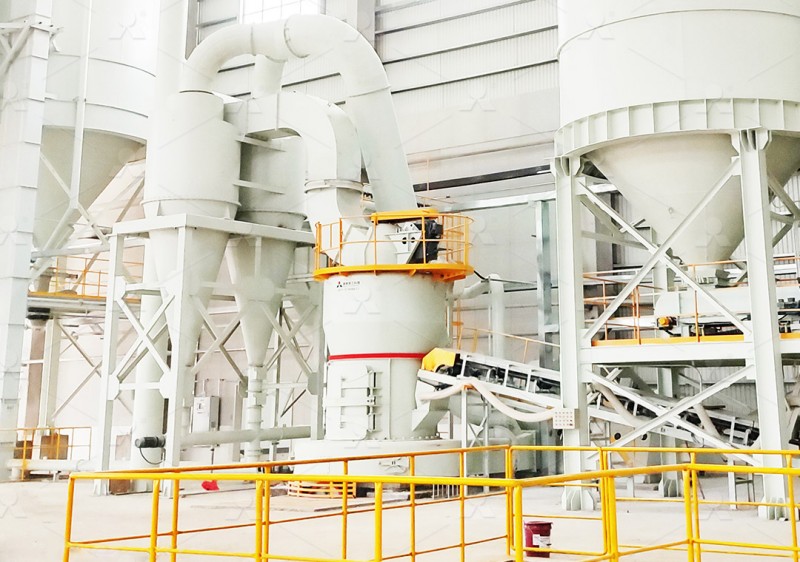
Having worked extensively with Turkish cement producers, I’ve witnessed firsthand the operational challenges they face. The variability in raw material hardness, moisture content, and chemical composition demands grinding equipment with exceptional adaptability. Traditional ball mills, while reliable, often struggle to meet modern efficiency standards, particularly when processing materials to the fine specifications required for high-quality cement production.
The Evolution of Grinding Technology in Cement Manufacturing
Cement grinding technology has undergone significant transformation in recent years. The shift from traditional ball mills to more sophisticated vertical roller mills and ultrafine grinding systems represents one of the most important developments in cement production efficiency. This evolution isn’t merely about achieving finer particle sizes—it’s about creating a more controlled, energy-efficient process that enhances final product quality while reducing operational costs.
Modern grinding systems must address multiple simultaneous requirements: precise particle size distribution, minimal energy consumption, reduced maintenance downtime, and compliance with increasingly strict environmental standards. Turkish cement producers, in particular, face the additional challenge of competing in international markets where product consistency and environmental credentials are becoming key differentiators.
Specialized Solutions for Turkish Raw Materials
Turkey’s diverse mineral deposits present both opportunities and challenges for cement producers. The country’s rich reserves of limestone, clay, marl, and other cement raw materials vary significantly in grindability and moisture content. This variability necessitates grinding equipment with robust construction and intelligent control systems that can adapt to changing feed conditions without compromising output quality.
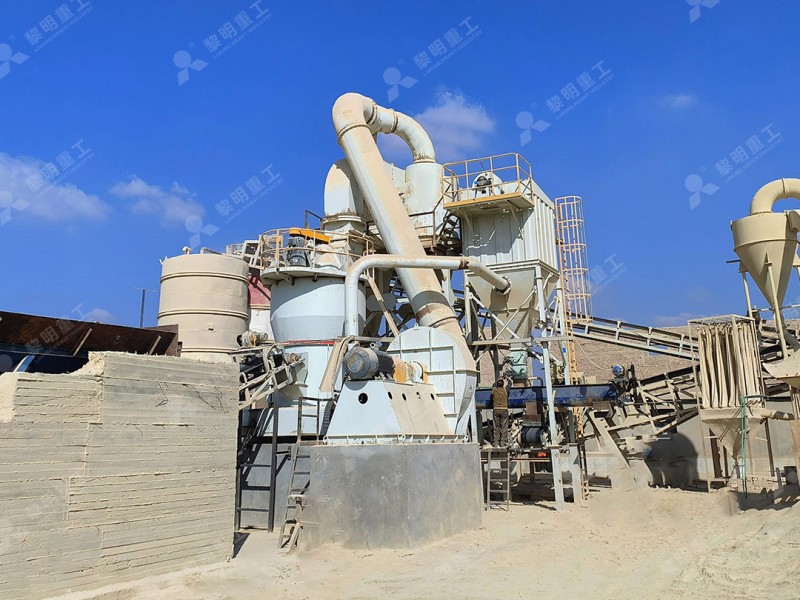
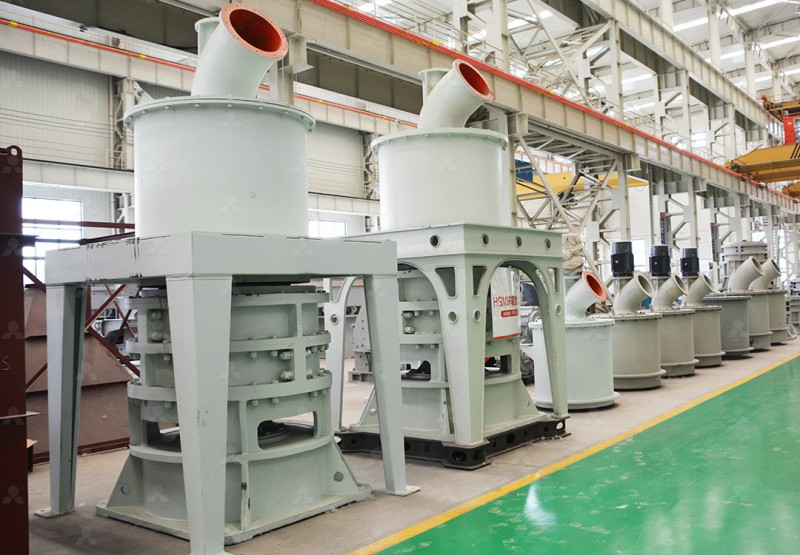
One solution that has demonstrated exceptional performance in Turkish applications is our MW Ultrafine Grinding Mill. This advanced system represents a significant leap forward in grinding technology, specifically engineered for operations requiring ultra-fine powder production. With an input size capacity of 0-20 mm and throughput ranging from 0.5 to 25 tph, the MW mill offers remarkable flexibility for various production scenarios.
What sets the MW Ultrafine Grinding Mill apart in the Turkish context is its ability to maintain consistent performance despite variations in raw material characteristics. The newly designed grinding curves of the grinding roller and grinding ring enhance grinding efficiency substantially—production capacity is 40% higher than jet grinding mills and twice that of traditional ball grinding mills, while system energy consumption is reduced to just 30% of jet grinding mill requirements.
Technical Innovations Driving Operational Excellence
The MW Ultrafine Grinding Mill incorporates several proprietary technologies that address common pain points in cement raw material processing. The cage-type powder selector, utilizing German technology, significantly increases powder separation precision. Operators can configure multi-head cage-type powder selectors according to specific requirements for yield, fineness, and sieving rate, with product fineness adjustable between 325-2500 meshes and screening rates achieving d97≤5μm in a single pass.
From a maintenance perspective, the elimination of rolling bearings and screws within the grinding chamber represents a revolutionary design approach. This eliminates concerns about bearing damage or seal failure, while preventing machine damage caused by loose screws—a common issue in high-vibration environments. The external lubrication system enables continuous operation without shutdowns for maintenance, supporting 24-hour production schedules that are essential for profitable cement operations.
Environmental Compliance and Sustainable Operation
Turkish environmental regulations continue to tighten, particularly regarding dust emissions and noise pollution. The MW Ultrafine Grinding Mill addresses these concerns comprehensively through its integrated pulse dust collector and muffler system. The efficient pulse dust collector ensures no dust pollution during operation, while silencers and noise elimination rooms reduce operational noise to compliant levels. The entire system is designed according to national environmental protection standards, providing Turkish producers with confidence in their regulatory compliance.
Another significant advantage for Turkish operations is the mill’s digitalized processing capabilities. With numerically controlled operations for steel plate cutting, bending, planing, milling, and paint spraying, machining precision is exceptionally high—particularly for core components. This precision manufacturing translates to longer service life, reduced vibration, and more consistent output quality.
Strategic Implementation Considerations
When integrating advanced grinding systems like the MW Ultrafine Grinding Mill into Turkish cement operations, several strategic factors warrant consideration. Plant layout optimization, integration with existing material handling systems, and operator training programs all contribute to successful implementation. The compact design of modern grinding systems often allows for retrofitting into existing facilities without major structural modifications.
Turkish cement producers should also consider the comprehensive support infrastructure available with advanced grinding equipment. Our company maintains sufficient spare parts inventories and provides technical services to ensure worry-free operation. This support is particularly valuable in Turkey’s competitive market, where unplanned downtime can significantly impact export commitments and profitability.
Future Outlook: Grinding Technology in Turkey’s Cement Sector
As Turkey continues to strengthen its position in global cement markets, the role of advanced grinding technology will only increase. The trend toward higher-value specialty cements requires precisely controlled particle size distributions that only advanced milling systems can provide. Additionally, energy efficiency will remain a critical competitive differentiator as energy costs continue to represent a significant portion of production expenses.
The MW Ultrafine Grinding Mill, with its higher yielding and lower energy consumption characteristics, positions Turkish producers favorably for these evolving market demands. The equipment’s ability to process a wide range of materials—including limestone, calcite, dolomite, petroleum coal, gypsum, barite, marble, talc, and coal powder—makes it exceptionally versatile for diverse production requirements.
Frequently Asked Questions
What is the typical installation timeline for the MW Ultrafine Grinding Mill in a Turkish cement plant?
Installation typically requires 4-6 weeks, depending on site preparation requirements and integration with existing systems. Our technical team provides comprehensive support throughout the process to minimize disruption to operations.
How does the MW mill handle variations in raw material moisture content common in Turkish quarries?
The MW Ultrafine Grinding Mill incorporates advanced drying capabilities that can accommodate moisture variations without compromising grinding efficiency. The integrated air flow system effectively removes moisture during the grinding process.
What kind of energy savings can Turkish cement producers realistically expect with the MW Ultrafine Grinding Mill?
Documented cases show energy consumption reductions of 30-40% compared to traditional ball mills, with some operations achieving even higher savings depending on specific material characteristics and production requirements.
How does the maintenance requirement of the MW mill compare to traditional grinding systems?
Maintenance requirements are significantly reduced due to the absence of rolling bearings and screws in the grinding chamber. The external lubrication system and robust construction typically reduce maintenance downtime by 50-60% compared to conventional mills.
Can the MW mill be integrated with existing automation systems in Turkish cement plants?
Yes, the MW Ultrafine Grinding Mill is designed with compatibility in mind and can be integrated with most modern plant automation systems. Our technical team provides comprehensive integration support.
What particle size distribution consistency can be expected with the MW mill for cement raw materials?
The advanced powder selection system ensures exceptional consistency, with variations typically within ±2% for critical size fractions, significantly better than the ±5-8% common with traditional grinding systems.
How does the equipment perform with the high-silica raw materials sometimes encountered in Turkish quarries?
The MW mill’s wear-resistant materials and optimized grinding geometry provide excellent performance with high-silica materials. Additional wear protection options are available for particularly abrasive applications.
What technical support is available for Turkish operations after installation?
We provide comprehensive technical support, including remote monitoring capabilities, regular maintenance planning assistance, and rapid spare parts delivery through our regional service network.