
How to optimize talc processing with raymond mill for paint filler in egypt
How to Optimize Talc Processing with Raymond Mill for Paint Filler in Egypt
The Egyptian industrial landscape presents unique opportunities for mineral processing, particularly in the paint and coatings sector where talc serves as a critical functional filler. With abundant talc deposits in the Eastern Desert and Sinai regions, Egyptian manufacturers stand to gain significant competitive advantage by optimizing their grinding processes for paint-grade talc production.

The Critical Role of Talc in Paint Formulations
Talc’s lamellar structure and chemical inertness make it an ideal extender pigment in paint formulations. When properly processed, talc improves suspension properties, reduces settling, enhances brushability, and contributes to corrosion resistance. For Egyptian paint manufacturers targeting both domestic and export markets, achieving consistent particle size distribution between 10-45 microns is paramount for premium product quality.
The traditional Raymond mill has been the workhorse of Egyptian talc processing facilities for decades. While reliable, conventional Raymond mill operations often struggle with energy efficiency, particle size control, and environmental compliance – challenges that can significantly impact production costs and product quality.
Advanced Raymond Mill Optimization Strategies
Modern talc processing demands more sophisticated approaches than traditional grinding methods. Egyptian operations can implement several key optimizations:
- Precision Air Classification: Integrating advanced dynamic classifiers allows for tighter particle size control, crucial for paint filler applications where consistency determines performance.
- Moisture Management: Egyptian talc often contains 2-5% moisture, which can be addressed through improved mill ventilation and pre-drying systems.
- Wear Part Optimization: Using specialized alloy grinding rolls and rings specifically designed for talc’s abrasive characteristics extends operational life by 40-60%.
Beyond Traditional Raymond Mills: The MW Ultrafine Grinding Mill Advantage
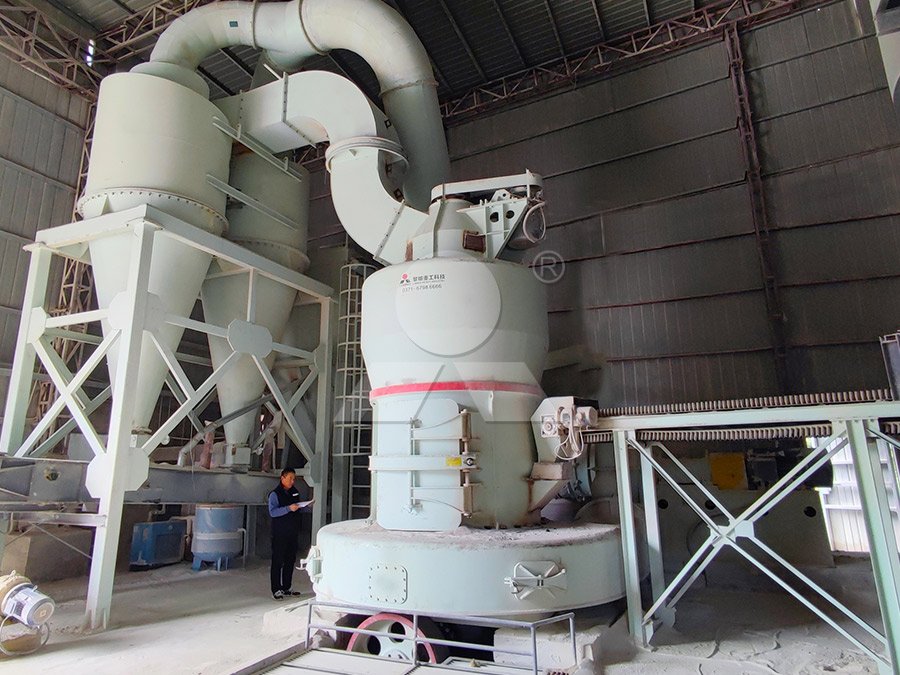
While traditional Raymond mills serve basic talc grinding needs, Egyptian processors targeting premium paint markets should consider advanced alternatives. Our MW Ultrafine Grinding Mill represents a technological leap forward, specifically engineered for customers requiring ultra-fine powder with superior consistency.
The MW series addresses multiple pain points Egyptian talc processors face. With an input size of 0-20 mm and capacity ranging from 0.5-25 tph, it handles typical Egyptian talc feed stocks efficiently. The German-designed cage-type powder selector enables precise fineness adjustment between 325-2500 meshes, achieving d97≤5μm in a single pass – a critical advantage for high-value paint fillers.
What truly distinguishes the MW Ultrafine Grinding Mill in the Egyptian context is its operational efficiency. Compared to conventional Raymond mills, it delivers 40% higher production capacity with equivalent power consumption. The innovative design eliminates rolling bearings and screws in the grinding chamber, eliminating common failure points that plague traditional mills in Egypt’s demanding industrial environment.
Environmental Compliance and Operational Efficiency
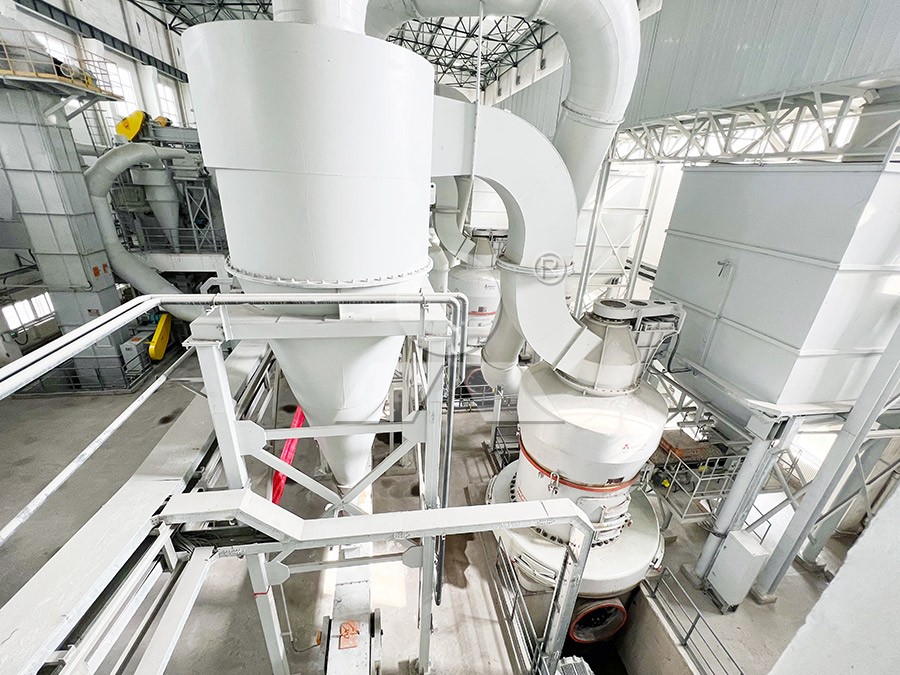
Egyptian environmental regulations are increasingly stringent, particularly near population centers. The MW Ultrafine Grinding Mill’s integrated pulse dust collector and muffler system ensures operations meet national environmental standards without additional investment in pollution control equipment. The external lubrication system enables 24-hour continuous operation – a significant advantage for Egyptian processors facing competitive pressure.
Practical Implementation for Egyptian Operations
Transitioning to optimized talc processing requires careful planning. Egyptian facilities should conduct thorough material testing to determine optimal grinding parameters for their specific talc deposits. Pilot testing with the MW Ultrafine Grinding Mill typically reveals 25-35% energy savings compared to conventional Raymond mill setups, with significantly improved product quality for paint applications.
The Egyptian talc industry stands at a crossroads. While traditional Raymond mills have served adequately, the global paint industry’s evolving quality standards demand more sophisticated approaches. By embracing advanced grinding technologies like the MW Ultrafine Grinding Mill, Egyptian processors can capture greater value from their mineral resources while meeting international quality standards.
Frequently Asked Questions
What is the optimal fineness for talc in paint applications?
Most paint formulations require talc between 400-800 mesh (10-45 microns), though specific applications may demand finer or coarser particles. The MW Ultrafine Grinding Mill’s adjustable fineness between 325-2500 meshes covers all paint industry requirements.
How does Egyptian talc compare to other sources for paint fillers?
Egyptian talc typically exhibits high brightness and chemical purity, making it well-suited for premium paint applications. Proper processing is key to maintaining these inherent advantages.
What maintenance challenges do Raymond mills face in Egypt’s climate?
Dust ingress and bearing failures are common in Egypt’s dusty environment. The MW Ultrafine Grinding Mill’s sealed design and external lubrication specifically address these challenges.
Can existing Raymond mills be upgraded to improve performance?
Limited upgrades are possible, but for significant improvements in efficiency and product quality, transitioning to specialized equipment like the MW Ultrafine Grinding Mill typically delivers better return on investment.
What energy savings can Egyptian processors expect with modern grinding technology?
Typically 30-50% compared to conventional Raymond mills, with the MW Ultrafine Grinding Mill achieving the higher end of this range due to its advanced design.
How important is particle size distribution for paint performance?
Extremely important. Consistent particle size distribution affects opacity, viscosity, settling behavior, and film integrity. Advanced grinding systems provide superior control over these parameters.
What technical support is available for Egyptian processors implementing new grinding technology?
Comprehensive technical services including installation supervision, operator training, and original spare parts support ensure successful implementation and long-term operational reliability.