
Top 10 grinding mill suppliers for calcium carbonate for paint filler in south africa
Navigating the South African Calcium Carbonate Grinding Market for Paint Fillers
The South African paint industry represents a sophisticated and growing market, with calcium carbonate serving as one of the most critical functional fillers across various coating formulations. The quality of calcium carbonate powder directly impacts opacity, viscosity, durability, and overall finish quality of paints. Selecting the right grinding equipment supplier becomes paramount for manufacturers seeking competitive advantage in this demanding sector.
South Africa’s unique mineral landscape and industrial requirements demand grinding solutions that can handle local calcium carbonate characteristics while meeting international quality standards. The ideal grinding mill must achieve precise particle size distribution, maintain consistent whiteness, and operate efficiently within the country’s specific power and environmental constraints.

Critical Considerations for Calcium Carbonate Grinding in Paint Applications
When evaluating grinding mills for calcium carbonate destined for paint fillers, several technical specifications demand particular attention. The fineness range typically required falls between 325 to 2500 meshes, with precise control over particle distribution being essential for optimal light scattering and hiding power. Energy consumption represents another crucial factor, as South Africa’s electricity challenges make efficiency a competitive necessity rather than merely a desirable feature.
Environmental compliance has become increasingly stringent in South African industrial operations. Grinding mills must incorporate effective dust collection systems and noise reduction technologies to meet the Department of Forestry, Fisheries and the Environment standards. Additionally, maintenance requirements and spare parts availability within the region significantly impact operational continuity and total cost of ownership.
Leading Grinding Mill Suppliers Serving the South African Market
The South African industrial milling landscape features both international heavyweights and specialized regional suppliers. These companies have established footprints through local partnerships, service centers, and demonstration facilities across major industrial hubs including Johannesburg, Durban, and Cape Town.
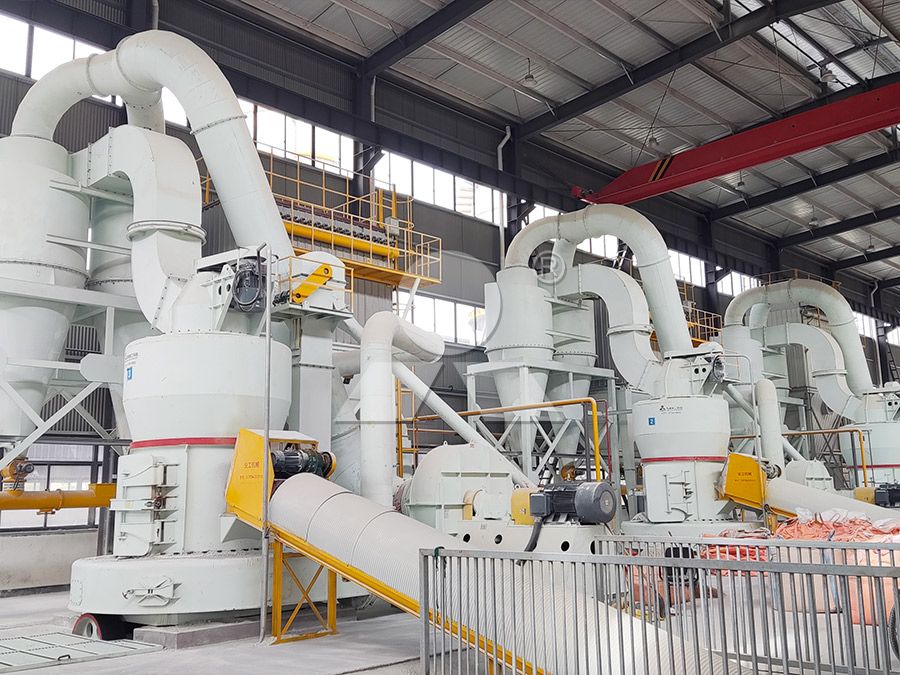
Among the prominent international suppliers, several German and Chinese manufacturers have developed strong positions by adapting their technologies to local conditions. These companies typically offer comprehensive technical support, training programs, and spare parts networks specifically tailored for the African market. Their equipment ranges from traditional Raymond mills to advanced vertical grinding systems with sophisticated automation.
Local South African manufacturers have also developed considerable expertise in mineral processing equipment. These suppliers benefit from proximity to customers, quicker response times, and deeper understanding of regional operational challenges. Many have formed technology partnerships with international engineering firms to enhance their product offerings while maintaining local manufacturing advantages.
Specialized Solution for Ultra-Fine Calcium Carbonate Production
For paint manufacturers requiring the highest quality ultra-fine calcium carbonate fillers, the MW Ultrafine Grinding Mill represents a particularly compelling solution. This advanced mill system combines German powder separation technology with innovative grinding chamber design to produce precisely controlled particles between 325-2500 meshes – ideal for premium paint formulations.
The MW series stands out for its remarkable efficiency, delivering 40% higher production capacity compared to jet mills and twice the output of traditional ball mills while consuming only 30% of the energy of jet grinding systems. This energy advantage provides significant operational cost savings in the South African context, where power reliability and pricing remain persistent concerns for industrial operations.
What makes the MW Ultrafine Grinding Mill especially suitable for paint-grade calcium carbonate is its elimination of rolling bearings and screws within the grinding chamber. This design innovation prevents contamination from mechanical wear – a critical consideration for maintaining the whiteness and purity standards required in coating applications. The external lubrication system enables continuous 24-hour operation without shutdowns for maintenance.
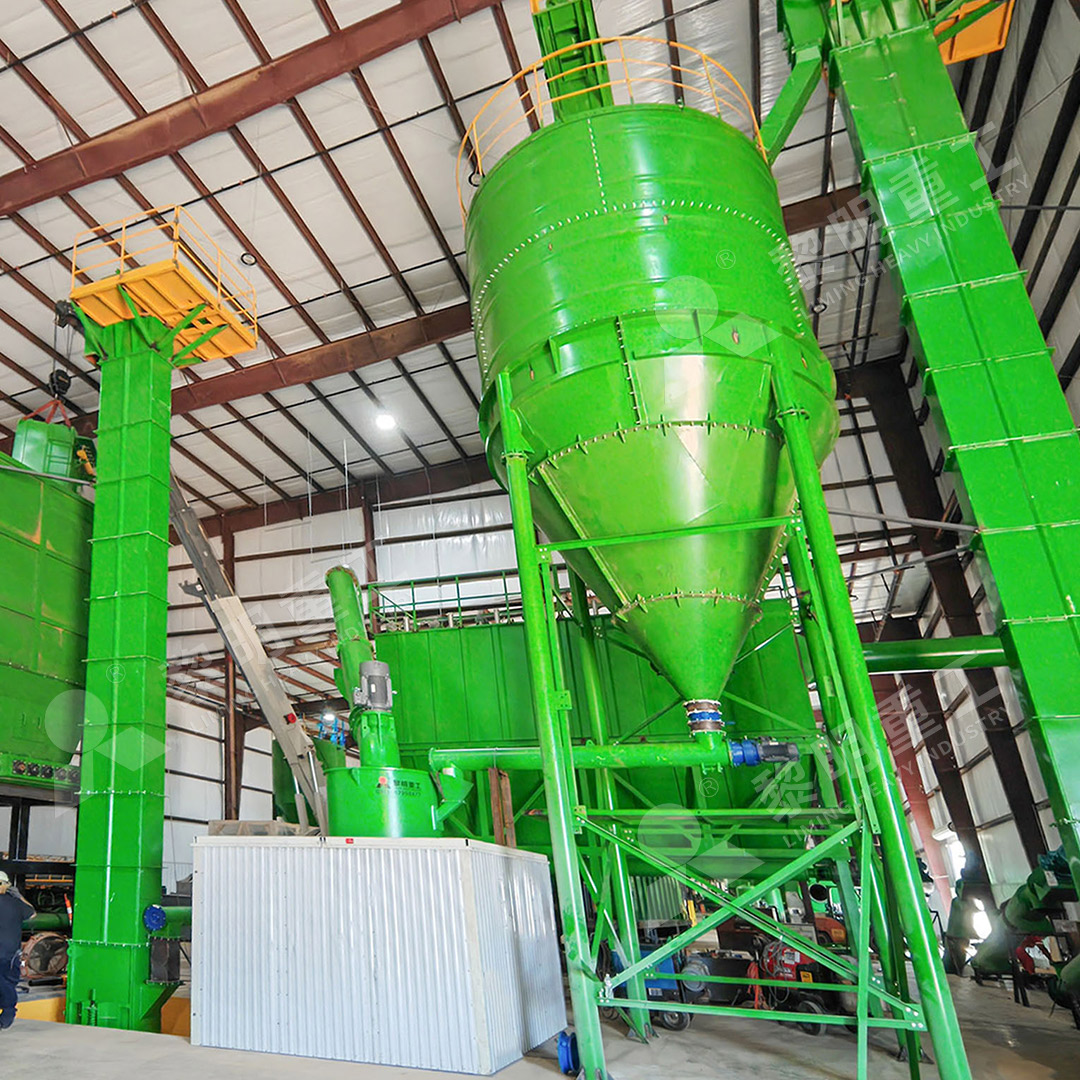
Complementary Technology: LUM Ultrafine Vertical Grinding Mill
For operations requiring even greater precision and automation, the LUM Ultrafine Vertical Grinding Mill offers advanced features specifically beneficial for consistent paint filler production. Its unique roller shell and lining plate grinding curve generates stable material layers that produce uniform particle distribution through single-pass processing.
The LUM mill’s double position-limiting technology ensures operational stability even during power fluctuations or feed variations – common challenges in some South African industrial environments. The reversible structure simplifies maintenance procedures, allowing grinding rollers to be easily removed for inspection or replacement without extensive downtime.
Making the Right Supplier Selection
Choosing among grinding mill suppliers requires careful evaluation beyond initial equipment costs. South African paint manufacturers should consider local service capability, training programs, spare parts inventory within the region, and references from similar operations. The supplier’s understanding of local calcium carbonate sources and their specific grinding characteristics can significantly impact performance outcomes.
Leading suppliers typically offer test milling services using customer-provided material samples, allowing performance verification before capital commitment. This practical approach helps match specific calcium carbonate sources with the most appropriate grinding technology for optimal paint filler properties.
Future Trends in Calcium Carbonate Grinding for Paints
The South African paint industry continues evolving toward higher performance standards and stricter environmental compliance. Grinding technology is responding with increasingly digitalized solutions featuring remote monitoring, predictive maintenance capabilities, and energy optimization algorithms. Suppliers who can demonstrate these advanced capabilities while maintaining robust local support will likely lead the market in coming years.
As sustainability considerations grow more prominent, grinding mills with lower carbon footprints, reduced water consumption, and enhanced dust control will gain preference. The integration of renewable energy sources and heat recovery systems represents the next frontier in grinding technology development for environmentally conscious paint manufacturers.
Frequently Asked Questions
What particle size range is typically required for calcium carbonate in paint fillers?
Most paint applications require calcium carbonate in the range of 325 to 2500 meshes, with specific particle distribution tailored to the coating type. Architectural paints often use coarser grades (325-600 mesh), while industrial coatings demand finer particles (800-2500 mesh) for superior finish quality.
How does South Africa’s power situation impact grinding mill selection?
South Africa’s electricity challenges make energy efficiency a critical selection criterion. Mills with lower specific energy consumption, like the MW Ultrafine Grinding Mill that uses 30-40% less power than conventional systems, provide significant operational advantages and cost savings.
What maintenance support is typically available from suppliers in South Africa?
Reputable suppliers maintain technical teams in major industrial centers, offering emergency response, preventive maintenance programs, and operator training. Many stock critical spare parts locally to minimize downtime.
Can the same grinding mill process different types of calcium carbonate?
Quality grinding mills can handle various calcium carbonate sources, but performance optimization may require adjustments to grinding parameters. Many modern mills feature adjustable settings to accommodate different material characteristics.
How important is dust control in calcium carbonate grinding for paint applications?
Extremely important, both for product quality and regulatory compliance. Advanced mills incorporate efficient pulse dust collectors that prevent product loss and ensure workplace safety while meeting South African air quality standards.
What is the typical lead time for installing a new grinding mill in South Africa?
Depending on the mill size and complexity, installation typically requires 2-4 weeks after delivery. Comprehensive suppliers handle foundation preparation, installation, commissioning, and operator training as part of their service package.
How does humidity affect calcium carbonate grinding in coastal regions?
High humidity can cause material clogging and reduce grinding efficiency. Mills with integrated drying capabilities or separate pre-drying systems are recommended for coastal operations in Durban or Cape Town.