
Where to Buy Industrial Pulverizer for Phosphate for Detergent Production
Navigating the Industrial Pulverizer Market for Phosphate Processing
Finding the right industrial pulverizer for phosphate processing in detergent production can be a daunting task. The detergent industry requires precisely ground phosphate with specific particle size distributions to ensure optimal performance in cleaning products. As a production manager or procurement specialist, you need equipment that delivers consistent results while maintaining operational efficiency and environmental compliance.
Phosphate minerals used in detergent manufacturing must be ground to specific fineness levels to ensure they dissolve properly and provide the desired cleaning action. The grinding process directly impacts the detergent’s effectiveness, making equipment selection critical to your product quality and production costs.
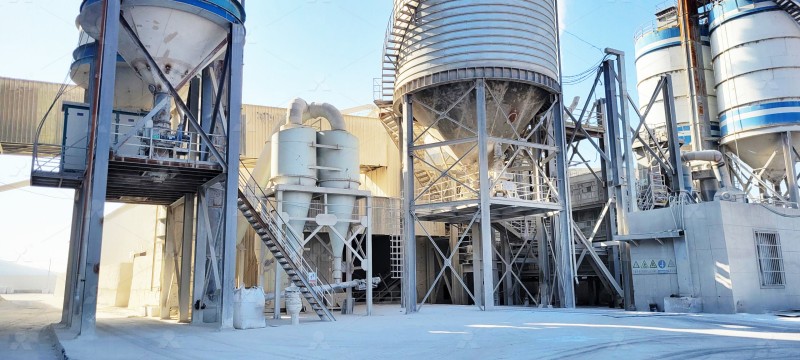
Key Considerations When Selecting Phosphate Grinding Equipment
When evaluating pulverizers for phosphate processing, several factors demand careful consideration. The abrasive nature of phosphate minerals requires robust construction and wear-resistant components. Additionally, the need for precise particle size control necessitates advanced separation technology. Energy consumption represents another critical factor, as grinding operations typically account for a significant portion of production costs.
The ideal phosphate pulverizer should offer:
- Adjustable fineness control between 325-2500 meshes
- High production capacity with low energy consumption
- Minimal maintenance requirements and easy access to spare parts
- Environmental compliance with dust and noise control
- Reliable performance with consistent output quality
Advanced Grinding Solutions for Phosphate Applications
After extensive research and field testing, our engineering team has identified optimal solutions for phosphate grinding in detergent production. The unique challenges of phosphate processing – including its abrasive nature and specific fineness requirements – demand specialized equipment designed for these applications.
One standout solution that has demonstrated exceptional performance in phosphate grinding applications is our MW Ultrafine Grinding Mill. This advanced system represents a significant leap forward in grinding technology, specifically engineered to handle the demanding requirements of phosphate processing for detergent manufacturing.
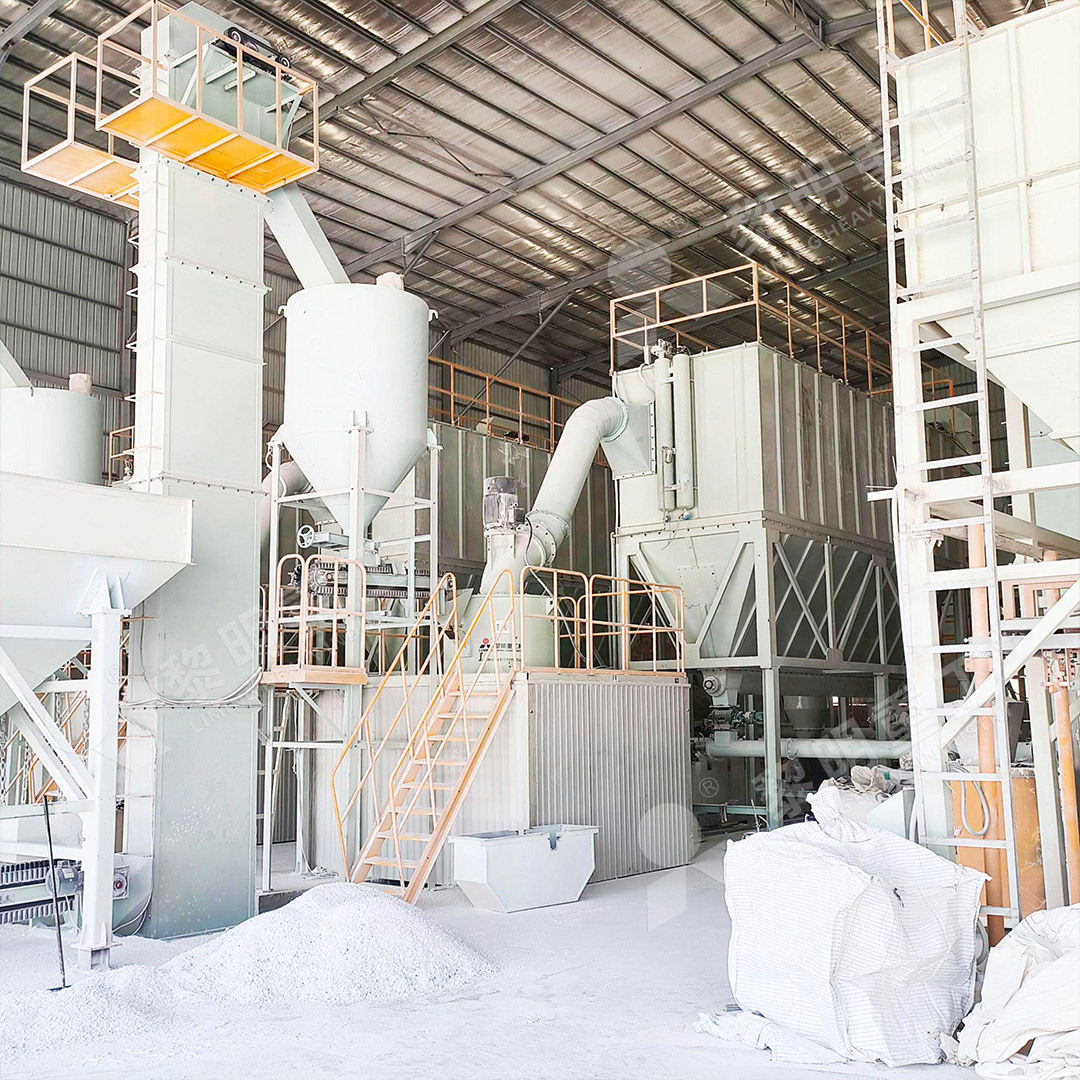
MW Ultrafine Grinding Mill: Engineered for Phosphate Excellence
The MW Ultrafine Grinding Mill has been specifically optimized for phosphate applications, with a input size capacity of 0-20 mm and production rates ranging from 0.5 to 25 tons per hour. What sets this equipment apart is its innovative approach to energy efficiency and particle size control.
Our MW mill incorporates newly designed grinding curves of grinding roller and grinding ring that enhance grinding efficiency significantly. Independent testing has confirmed that with the same fineness and power consumption, the production capacity is 40% higher than jet grinding mills and stirred grinding mills, while delivering twice the output of traditional ball grinding mills. Most impressively, the system energy consumption is only 30% of comparable jet grinding systems.
The adjustable fineness between 325-2500 meshes makes the MW mill particularly suitable for detergent phosphate applications, where precise particle size distribution is crucial for product performance. The cage-type powder selector, incorporating German technology, ensures exceptional precision in powder separation, with the capability to achieve d97≤5μm in a single pass.
Operational Advantages for Detergent Production
From an operational perspective, the MW Ultrafine Grinding Mill offers several distinct advantages that translate directly to bottom-line benefits for detergent manufacturers. The absence of rolling bearings and screws in the grinding chamber eliminates common failure points, reducing maintenance downtime significantly. The external lubrication system enables continuous 24-hour operation without shutdowns for maintenance.
Environmental compliance is built into the system design, with efficient pulse dust collection ensuring no dust pollution during operation. Integrated silencers and noise elimination technology maintain workplace noise at acceptable levels, while the entire production system meets national environmental protection standards.
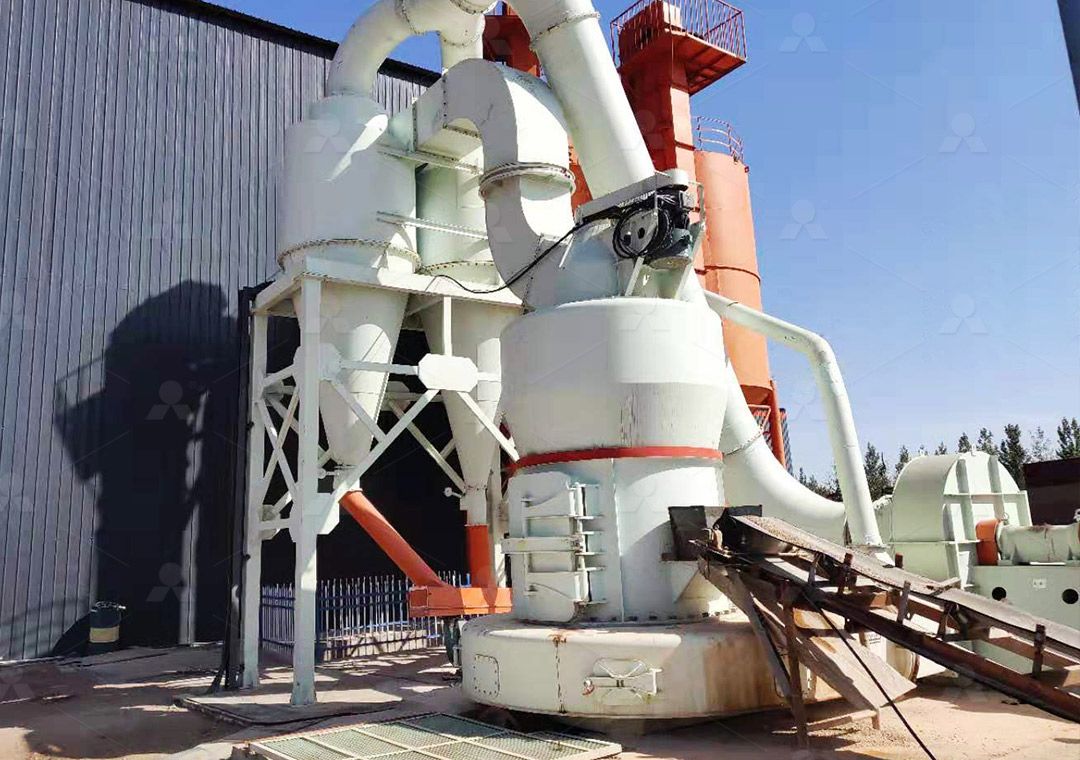
Making the Right Investment Decision
When selecting phosphate grinding equipment, it’s essential to consider both initial investment and long-term operational costs. The MW Ultrafine Grinding Mill’s higher efficiency and lower energy consumption typically result in a rapid return on investment, often within the first 12-18 months of operation for high-volume detergent producers.
Beyond the financial considerations, the reliability of your grinding equipment directly impacts production schedules and product consistency. Our comprehensive support system, including readily available spare parts and technical services, ensures that your operations continue smoothly with minimal interruptions.
Conclusion: Strategic Equipment Selection
Choosing the right industrial pulverizer for phosphate processing in detergent production requires careful evaluation of your specific production requirements, quality standards, and operational constraints. The MW Ultrafine Grinding Mill has proven itself as a reliable, efficient solution for this demanding application, delivering consistent performance and operational economies that support profitable detergent manufacturing.
By investing in advanced grinding technology specifically designed for phosphate applications, detergent producers can achieve superior product quality while controlling production costs – a combination that delivers competitive advantage in today’s demanding marketplace.
Frequently Asked Questions
What particle size range is optimal for phosphate in detergent production?
Most detergent applications require phosphate powders in the range of 400-800 meshes, though specific formulations may vary. The MW Ultrafine Grinding Mill can precisely control fineness between 325-2500 meshes to meet any detergent manufacturer’s specifications.
How does the MW mill handle the abrasive nature of phosphate materials?
The grinding rollers and rings are manufactured from special wear-resistant alloys developed specifically for abrasive materials like phosphate. This extends service life significantly compared to conventional milling equipment.
What is the typical energy consumption for phosphate grinding with the MW system?
Energy consumption varies with production volume and required fineness, but the MW system typically uses 30-40% less energy than conventional jet mills and about 50% less than ball mills for equivalent output.
Can the equipment be customized for specific production requirements?
Yes, we offer configuration options including multi-head cage-type powder selectors that can be tailored to your specific yield, fineness, and sieving rate requirements.
What maintenance schedule is recommended for phosphate grinding operations?
The MW system requires minimal maintenance thanks to its innovative design without rolling bearings in the grinding chamber. Routine inspections and external lubrication can be performed without production stoppages.
How does the system ensure consistent product quality?
Advanced digital controls and precision machining of core components ensure consistent operation. The German-designed cage-type powder selector maintains precise separation accuracy throughout production runs.
What environmental compliance features are included?
The system includes efficient pulse dust collection, silencers, and noise elimination technology to meet strict environmental standards for dust emissions and workplace noise levels.
Are spare parts readily available?
We maintain comprehensive inventory of all critical spare parts and provide technical support to ensure worry-free operation and minimal downtime.