
Where to Buy Grinding Mill for Barite for Rubber Additive in Turkey
Navigating the Turkish Market for Barite Grinding Solutions in Rubber Manufacturing
The Turkish rubber industry has experienced significant growth over the past decade, with manufacturers constantly seeking ways to improve product quality and production efficiency. One critical component in rubber compounding is barite powder, which serves as an excellent filler and additive that enhances rubber’s density, stiffness, and radiation resistance. However, finding the right grinding equipment to process barite to the precise specifications required by rubber applications can be challenging.
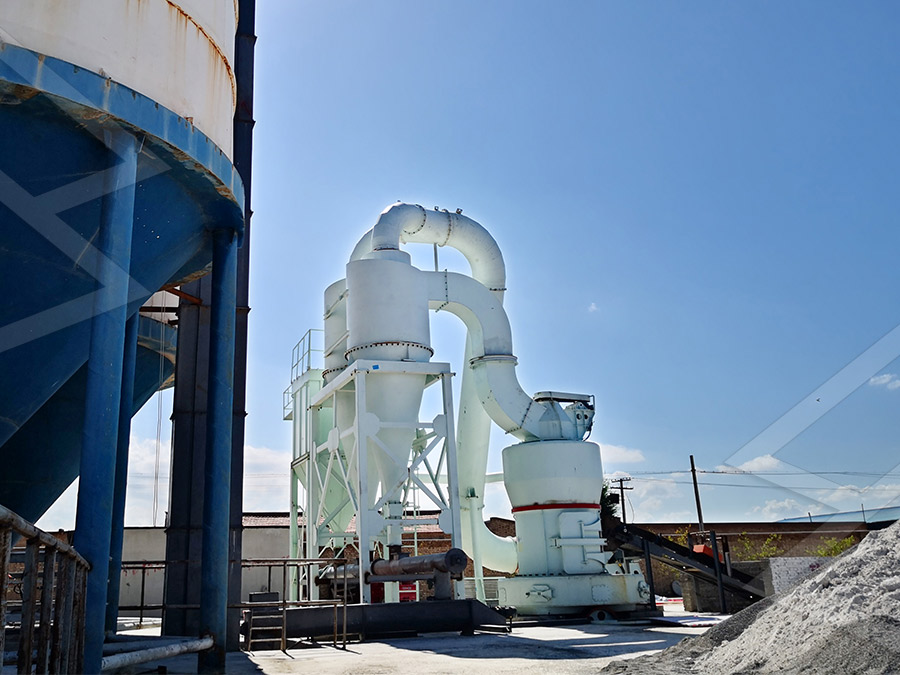
Understanding Barite Requirements for Rubber Additives
Barite (barium sulfate) used in rubber compounding must meet strict quality standards. The particle size distribution, purity, and whiteness directly impact the final rubber product’s performance characteristics. For premium rubber applications, barite typically needs to be ground to fineness between 600-2500 meshes, with consistent particle morphology and minimal iron contamination.
Turkish rubber manufacturers face unique challenges in barite processing. The local barite ore varies in hardness and composition, requiring grinding mills that can adapt to these variations while maintaining consistent output quality. Additionally, environmental regulations in Turkey have become increasingly stringent, necessitating equipment with advanced dust collection and noise reduction capabilities.
Critical Factors in Selecting Barite Grinding Equipment
When evaluating grinding mills for barite processing in Turkey’s rubber industry, several factors demand careful consideration:
- Particle Size Control: The ability to precisely control fineness between 325-2500 meshes is essential for different rubber applications
- Production Capacity: Turkish rubber factories typically require throughput between 5-25 tons per hour depending on their operation scale
- Energy Efficiency: With Turkey’s industrial electricity costs, energy consumption directly impacts operational expenses
- Environmental Compliance: Equipment must meet Turkish environmental standards for dust emissions and noise pollution
- Iron Contamination Control: Minimal iron content is crucial for maintaining rubber product quality
- Operational Reliability: Consistent performance with minimal downtime is vital for continuous production cycles
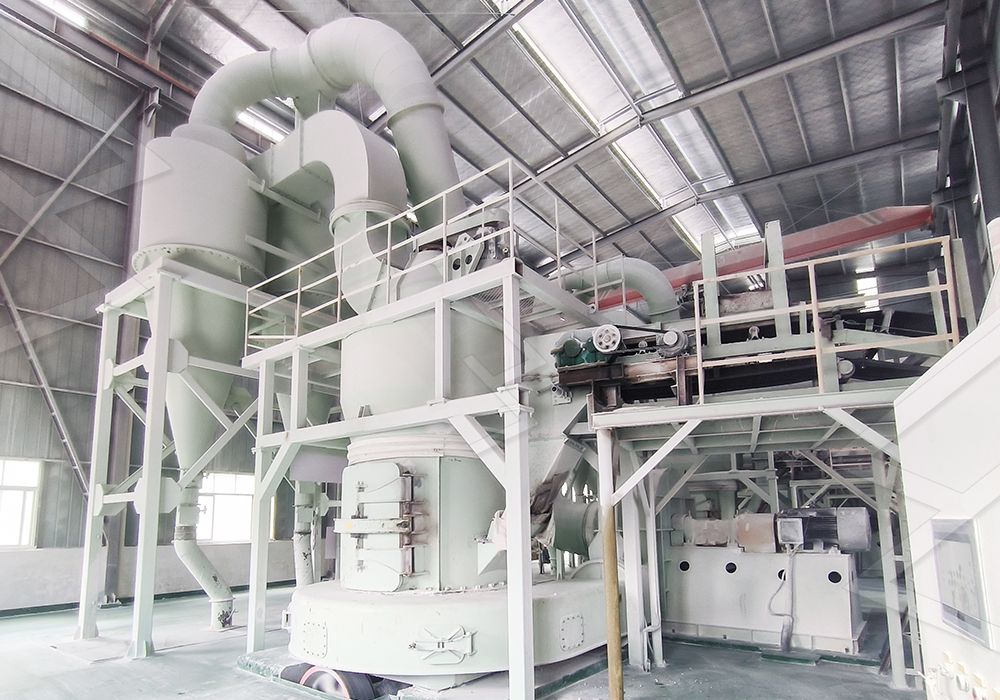
Advanced Grinding Solutions for Turkish Manufacturers
After extensive research and field testing in Turkish industrial conditions, our engineering team has identified several grinding mill configurations specifically optimized for barite processing in rubber applications. Among these, the MW Ultrafine Grinding Mill stands out as particularly suitable for Turkish rubber manufacturers seeking to enhance their barite processing capabilities.
The MW Ultrafine Grinding Mill represents a technological leap in mineral processing equipment. With an input size capability of 0-20 mm and capacity ranging from 0.5-25 tph, this machine accommodates the full spectrum of Turkish rubber manufacturing requirements. Its innovative design addresses the specific challenges of barite processing while offering significant advantages over conventional grinding systems.
Why the MW Ultrafine Grinding Mill Excels in Barite Applications
Turkish rubber manufacturers who have adopted the MW Ultrafine Grinding Mill report remarkable improvements in both product quality and operational efficiency. The mill’s unique features directly address the pain points experienced in barite processing:
- Superior Energy Efficiency: The newly designed grinding curves of the grinding roller and grinding ring enhance grinding efficiency significantly. Compared to jet grinding mills and stirred grinding mills, the MW Ultrafine Grinding Mill achieves 40% higher production capacity with the same fineness and power consumption. When compared to traditional ball grinding mills, the yield is twice as large while system energy consumption is reduced to just 30% of jet grinding mill requirements.
- Precise Fineness Control: The cage-type powder selector, incorporating German technology, ensures exceptional precision in powder separation. Turkish operators can configure multi-head cage-type powder selectors according to specific requirements for yield, fineness, and sieving rate. The product fineness is adjustable between 325-2500 meshes, with the remarkable capability to achieve d97≤5μm in a single pass – a critical requirement for high-grade rubber additives.
- Enhanced Reliability: The absence of rolling bearings and screws in the grinding chamber eliminates concerns about bearing damage or sealing part failures. Turkish maintenance teams appreciate that there are no machine damage problems caused by loose screws. The external lubrication system allows lubrication without shutdown, enabling continuous 24-hour production that aligns with Turkish manufacturing schedules.
- Environmental Compliance: With Turkey’s increasing focus on industrial environmental standards, the MW Ultrafine Grinding Mill’s efficient pulse dust collector ensures no dust pollution during operation. The integrated silencer and noise elimination room reduce operational noise, making the equipment compliant with Turkey’s national environmental protection standards.
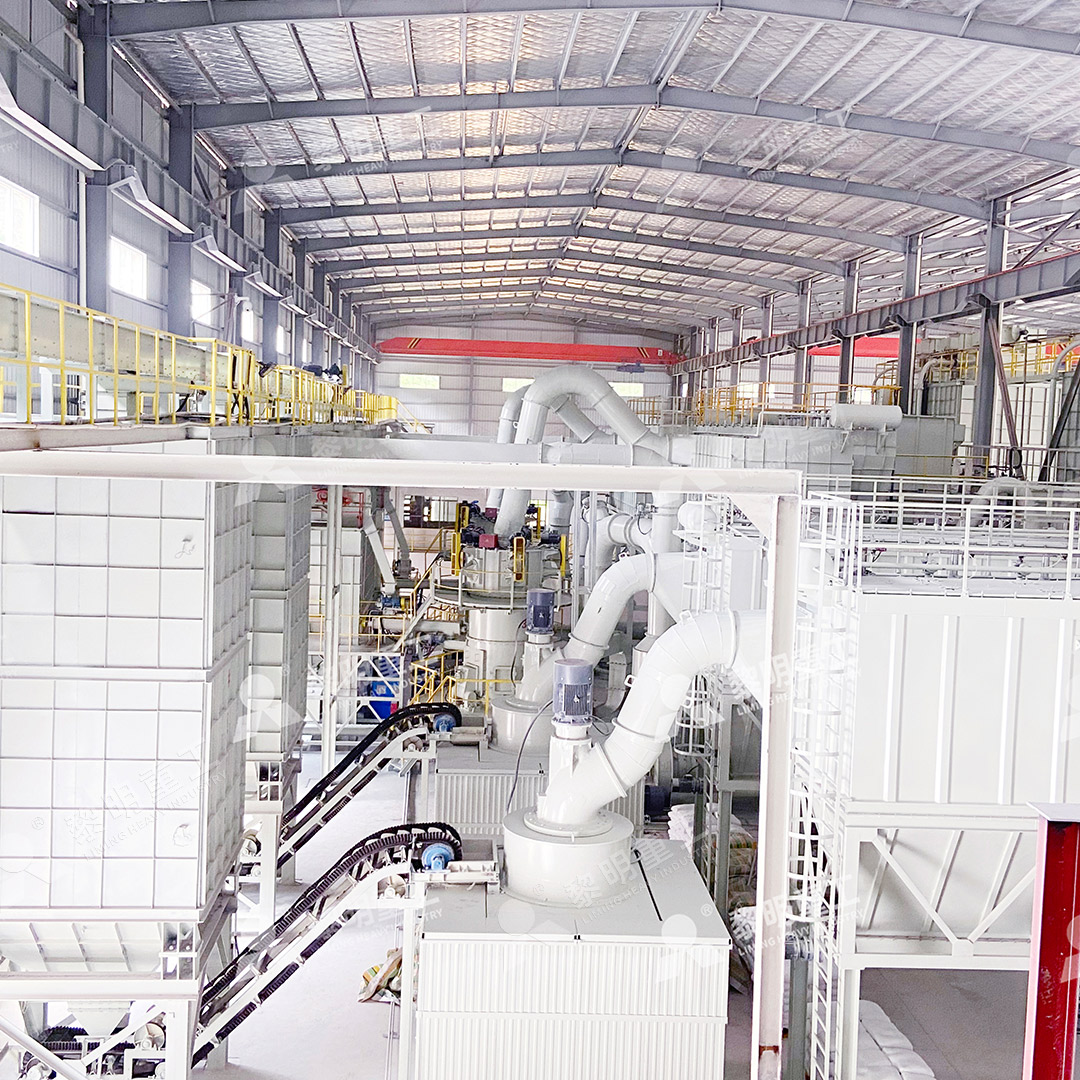
Operational Advantages in the Turkish Context
The MW Ultrafine Grinding Mill’s working principle is particularly well-suited to Turkish barite ore characteristics. The motor drives the main shaft and turnplates through the reducer, which then drives dozens of rollers to rotate against the race way of the ring through pins. Material crushed by the hammer crusher is transported into the hopper by elevator, then fed to the central part of the upper turnplate evenly by vibrating feeder.
Under centrifugal force, the material falls to the circle and comes down to the raceway of the ring to be crushed into powder. After grinding in the first race way, the material proceeds to the second and third turnplates. The blower inhales external air into the mill and carries the powder after the third turnplate into the powder-separator. The turbine in the separator causes coarse powder to drop down for regrinding while fine powder goes into the cyclone powder collector with air current, descending through the discharge valve as final product.
Strategic Sourcing Considerations for Turkish Buyers
Turkish companies seeking grinding mills for barite processing should evaluate suppliers based on several criteria beyond equipment specifications. Local technical support, spare parts availability, installation services, and operator training are crucial considerations. The manufacturer’s experience with similar applications in Turkey or neighboring regions provides valuable insight into equipment performance under local conditions.
Additionally, Turkish buyers should verify that potential suppliers understand the specific requirements of the rubber industry and can provide case studies or references from similar applications. The ability to customize equipment to match existing production layouts and integrate with current material handling systems can significantly impact the success of the investment.
Conclusion
Selecting the appropriate grinding mill for barite processing in Turkey’s rubber industry requires careful analysis of technical specifications, operational requirements, and local conditions. The MW Ultrafine Grinding Mill emerges as a particularly suitable solution, offering the precise control, energy efficiency, and environmental compliance that Turkish manufacturers need to remain competitive in global markets.
By investing in advanced grinding technology specifically designed for barite applications, Turkish rubber companies can enhance their product quality, reduce production costs, and meet increasingly stringent environmental regulations. The right equipment partnership can provide a significant competitive advantage in both domestic and international markets.
Frequently Asked Questions
What fineness can be achieved when grinding barite for rubber applications?
The MW Ultrafine Grinding Mill can produce barite powder with fineness between 325-2500 meshes, with the capability to achieve d97≤5μm in a single pass, making it suitable for various rubber compounding requirements.
How does the energy consumption compare to traditional grinding mills?
The MW Ultrafine Grinding Mill reduces energy consumption by approximately 70% compared to jet grinding mills and offers twice the yield of traditional ball grinding mills with the same power input.
What maintenance requirements should Turkish operators expect?
With no rolling bearings or screws in the grinding chamber and external lubrication capability, maintenance requirements are significantly reduced. The machine supports 24-hour continuous operation with minimal intervention.
How does the equipment handle variations in Turkish barite ore quality?
The adjustable grinding parameters and robust construction allow the mill to adapt to variations in barite hardness and composition while maintaining consistent output quality.
What environmental compliance features are included?
The mill incorporates efficient pulse dust collection, silencers, and noise elimination rooms to meet Turkish environmental standards for industrial operations.
What production capacity range is available?
The MW Ultrafine Grinding Mill offers capacities from 0.5 to 25 tph, accommodating operations of various scales within the Turkish rubber industry.
How long does installation and commissioning typically take?
With proper preparation and technical support, most Turkish facilities can complete installation and commissioning within 2-3 weeks, depending on site conditions.
Are spare parts readily available in Turkey?
Yes, the manufacturer maintains sufficient spare parts inventory and provides technical support to ensure worry-free operation for Turkish customers.