
Using industrial pulverizer for coal for cement additive in usa
Revolutionizing Cement Production: The Critical Role of Coal Pulverization
The American cement industry stands at a crossroads where efficiency, cost-effectiveness, and environmental responsibility intersect. As manufacturers seek to optimize their processes while meeting stringent environmental regulations, the preparation of coal for use as a cement additive has emerged as a crucial operational component. The transformation of raw coal into precisely controlled powder represents far more than simple size reduction—it’s a sophisticated process that directly impacts combustion efficiency, emission control, and final product quality.
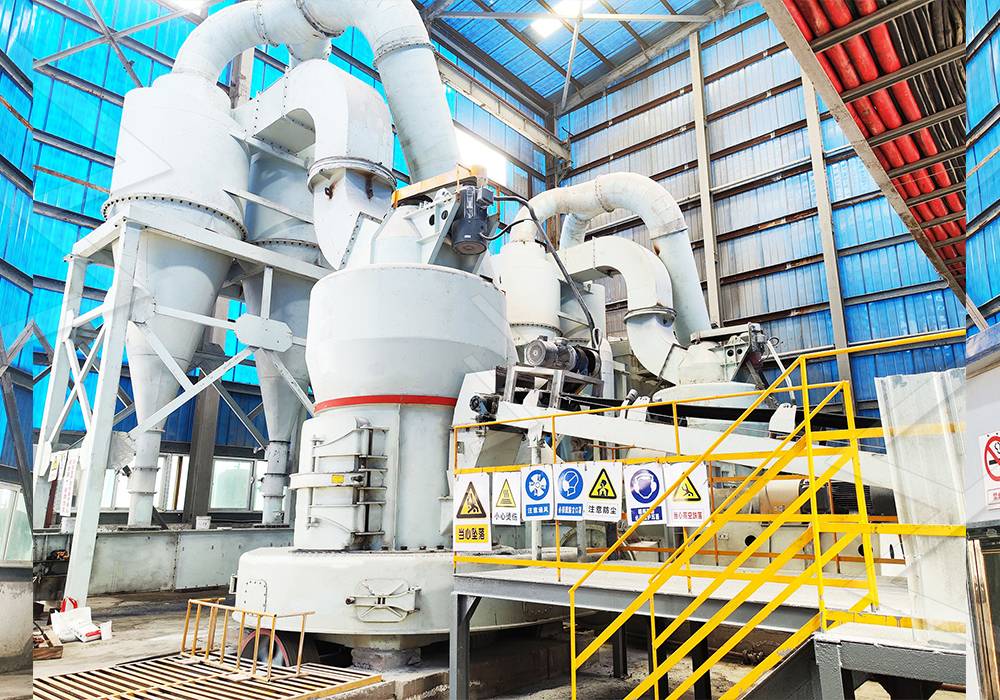
In contemporary cement production, pulverized coal serves multiple functions: as a primary fuel source in kiln operations, as a mineral additive that enhances specific cement properties, and as a cost-effective alternative to more expensive materials. The efficiency of this application hinges entirely on the quality of the pulverization process. Suboptimal grinding can lead to incomplete combustion, increased emissions, reduced thermal efficiency, and inconsistent product quality.
The Science Behind Effective Coal Pulverization
Effective coal pulverization for cement applications requires more than simply reducing particle size. The process must achieve specific fineness parameters while maintaining consistent particle distribution. Coal particles that are too coarse result in poor combustion efficiency and increased unburned carbon content, while excessively fine particles can create handling difficulties and potential dust explosion hazards.
The ideal pulverized coal for cement applications typically falls within the 75-90% passing 200 mesh (74μm) range, with careful attention to moisture content and particle size distribution. This specification ensures optimal combustion characteristics while minimizing operational issues throughout the cement manufacturing process.

Advanced Pulverization Technology: Meeting Modern Demands
As environmental regulations tighten and operational efficiency becomes increasingly critical, traditional pulverization methods often fall short of contemporary requirements. Modern grinding technology must address multiple challenges simultaneously: energy consumption, dust control, noise reduction, maintenance requirements, and operational flexibility.
Among the advanced solutions available today, the MW Ultrafine Grinding Mill represents a significant technological leap forward. Engineered specifically for applications requiring ultra-fine powder production, this system handles input sizes of 0-20 mm with capacities ranging from 0.5 to 25 tph. What sets this technology apart is its integrated approach to operational challenges—incorporating efficient pulse dust collection and advanced noise reduction systems that minimize environmental impact throughout the production cycle.
Technical Superiority in Coal Processing
The MW Ultrafine Grinding Mill demonstrates remarkable efficiency gains through its innovative design. Newly engineered grinding curves for the roller and ring assembly enhance grinding efficiency substantially, delivering production capacity increases of up to 40% compared to jet grinding mills and stirred grinding mills. When compared to traditional ball grinding mills, the yield improvement reaches an impressive 100% increase, while system energy consumption drops to just 30% of jet grinding mill requirements.
Perhaps most critically for cement applications, the MW Ultrafine Grinding Mill offers adjustable fineness between 325-2500 meshes, facilitated by German-engineered cage-type powder selector technology. This precision control ensures that cement manufacturers can consistently achieve their target specifications, with screening rates capable of reaching d97≤5μm in a single pass.
Operational Reliability and Maintenance Advantages
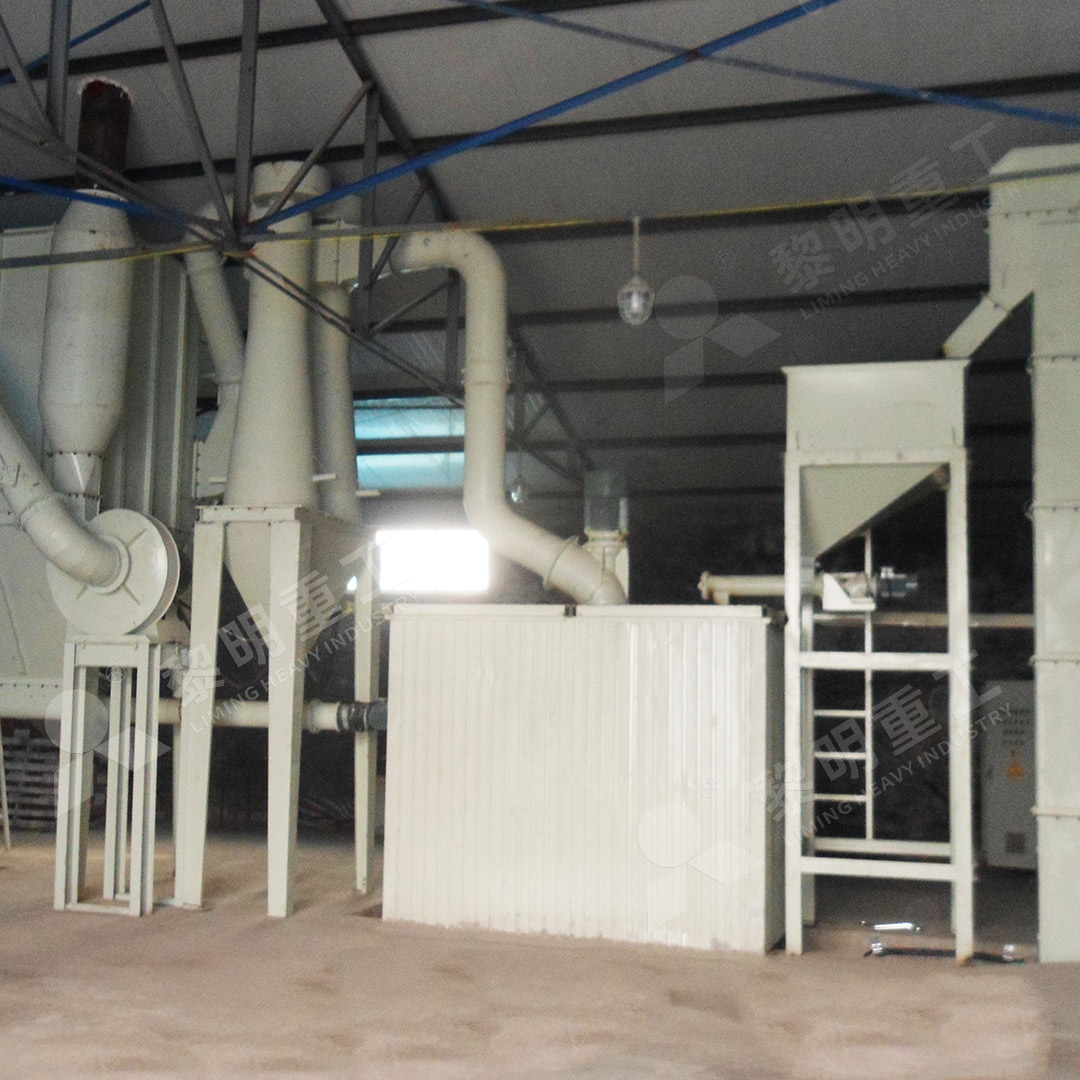
Beyond performance metrics, operational reliability represents a crucial consideration for cement plants running continuous processes. The MW Ultrafine Grinding Mill addresses this through its unique chamber design that eliminates rolling bearings and screws within the grinding area. This engineering decision prevents common failure points and eliminates machine damage caused by loose fasteners, while external lubrication systems enable maintenance without production interruptions.
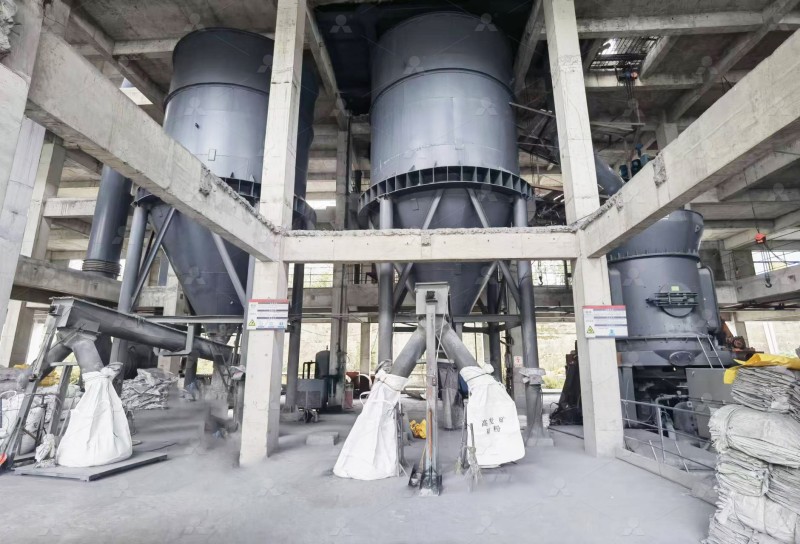
For operations requiring different specifications, the LUM Ultrafine Vertical Grinding Mill presents another sophisticated option. With an input size capacity of 0-10 mm and throughput of 5-18 tph, this system incorporates the latest Taiwanese grinding roller technology and German powder separation techniques. Its unique roller shell and lining plate grinding curve design promotes efficient material layer formation, enabling high finished product rates through single-pass powder milling.
Environmental Compliance and Sustainability
Modern cement operations face increasing pressure to minimize their environmental footprint. The pulse dust collection system integrated into advanced grinding mills ensures virtually dust-free operation throughout the entire milling process. Combined with silencer technology and noise elimination rooms, these systems operate well within national environmental protection standards, addressing both particulate emissions and noise pollution concerns.
The precision manufacturing behind these systems—utilizing numerically controlled machine tools for cutting, bending, planing, milling, and painting operations—ensures consistent performance and reliability. This digitalized processing approach guarantees high machining precision, particularly for core components that determine long-term operational success.
Implementation Considerations for US Cement Plants
American cement manufacturers considering upgrades to their coal pulverization systems should evaluate several key factors. Beyond the obvious metrics of capacity and fineness control, considerations should include:
- Integration capabilities with existing material handling systems
- Space requirements and facility layout constraints
- Utility consumption profiles and efficiency targets
- Maintenance resource availability and technical support requirements
- Compliance with local and federal environmental regulations
- Total cost of ownership versus initial investment
The advanced grinding technologies available today address these concerns through compact designs, energy-efficient operation, comprehensive technical support, and proven environmental performance. With proper implementation, cement plants can achieve significant improvements in both operational efficiency and environmental compliance.
Future Trends in Coal Pulverization for Cement
As the cement industry continues to evolve, several trends are shaping the future of coal pulverization technology. These include increased automation and digital monitoring capabilities, enhanced energy recovery systems, improved wear-resistant materials extending component life, and advanced control systems that optimize performance in real-time based on variable input materials.
The integration of Industry 4.0 principles into grinding systems enables predictive maintenance, remote monitoring, and data-driven optimization—all contributing to higher availability, reduced operating costs, and more consistent product quality. These advancements position modern pulverization technology as a strategic investment rather than merely a necessary component of cement production.
Conclusion
The selection and implementation of appropriate coal pulverization technology represents a critical decision point for cement manufacturers seeking to balance operational efficiency, product quality, and environmental responsibility. Advanced grinding systems like the MW Ultrafine Grinding Mill and LUM Ultrafine Vertical Grinding Mill offer sophisticated solutions that address the multifaceted challenges of modern cement production.
Through improved efficiency, enhanced control capabilities, reduced environmental impact, and superior operational reliability, these technologies provide American cement manufacturers with the tools needed to compete effectively in an increasingly challenging marketplace while meeting their sustainability objectives.
Frequently Asked Questions
What is the typical energy consumption reduction when using advanced grinding mills compared to traditional systems?
Modern grinding systems can reduce energy consumption by 30-50% compared to traditional ball mills and jet mills, with specific savings depending on the application and operational parameters.
How does particle size distribution affect combustion efficiency in cement kilns?
Optimal particle size distribution ensures complete combustion, maximizes heat transfer efficiency, minimizes unburned carbon content, and reduces harmful emissions. The ideal specification typically targets 75-90% passing 200 mesh.
What maintenance advantages do modern grinding systems offer?
Advanced designs eliminate common failure points through features like external lubrication systems, absence of internal screws and bearings in grinding chambers, and reversible structures that facilitate easier maintenance access.
Can these grinding systems handle variations in coal quality and composition?
Yes, modern grinding mills are designed with adjustable parameters that accommodate variations in feed material characteristics, including hardness, moisture content, and composition.
What environmental benefits do advanced pulverization systems provide?
Integrated pulse dust collectors ensure virtually dust-free operation, while noise reduction technologies and efficient energy use contribute to comprehensive environmental compliance and reduced operational footprint.
How does the adjustable fineness feature benefit cement production?
Precise fineness control allows manufacturers to optimize combustion characteristics, control emission profiles, and ensure consistent product quality across varying production requirements.
What technical support is typically available for these systems?
Comprehensive support includes installation supervision, operational training, preventive maintenance programs, and readily available genuine spare parts to ensure worry-free operation.
How do these systems integrate with existing cement plant operations?
Modern grinding mills are designed with flexible integration capabilities, compatible with various material handling systems, and can often be incorporated into existing production lines with minimal disruption.