
Where to buy industrial pulverizer for dolomite for steel flux in kazakhstan
Navigating the Kazakh Steel Industry’s Dolomite Grinding Needs
The steel industry in Kazakhstan represents a cornerstone of the nation’s industrial might, with dolomite playing a crucial role as a fluxing agent in steel production. Finding the right industrial pulverizer for processing dolomite to the precise specifications required by steel mills can be challenging in this vast and developing market. This comprehensive guide examines the key considerations for purchasing dolomite grinding equipment in Kazakhstan and highlights solutions that meet the demanding requirements of steel flux production.

Understanding Dolomite’s Role in Steel Production
Dolomite (CaMg(CO₃)₂) serves as an essential flux in steelmaking, primarily in basic oxygen and electric arc furnace processes. When heated, dolomite decomposes to calcium and magnesium oxides, which combine with impurities like silica and alumina to form slag. This slag formation is critical for removing sulfur and phosphorus from molten steel, protecting refractory linings, and improving the overall quality of the final steel product.
The effectiveness of dolomite as a flux depends significantly on its particle size distribution and purity. Steel manufacturers typically require dolomite powder with specific mesh sizes ranging from 200 to 325 mesh (74 to 44 microns) for optimal performance. Achieving this consistent fineness while maintaining production efficiency demands specialized grinding equipment designed specifically for non-metallic mineral processing.
Key Considerations for Dolomite Pulverizer Selection in Kazakhstan
When sourcing dolomite grinding equipment for the Kazakh market, several factors must be carefully evaluated:
Production Capacity Requirements
Kazakh steel plants vary significantly in scale, from large integrated mills to smaller specialty operations. Your pulverizer selection should align with your specific production needs, considering both current requirements and anticipated growth. Equipment with 0.5-25 tph capacity ranges typically serves most medium to large-scale operations effectively.
Particle Size Control
Precise particle size distribution is non-negotiable for steel flux applications. The ideal pulverizer should offer adjustable fineness control within the 325-2500 mesh range, with particular emphasis on the 325-800 mesh spectrum most commonly used in steel production.
Energy Efficiency
With energy costs representing a significant portion of operating expenses, selecting energy-efficient grinding technology is paramount. Modern pulverizers can reduce energy consumption by 30-50% compared to conventional ball mills, substantially lowering production costs over the equipment’s lifespan.
Environmental Compliance
Kazakhstan’s environmental regulations are becoming increasingly stringent. Dust emissions and noise pollution must be carefully controlled through integrated dust collection systems and noise reduction technologies.
Recommended Solutions for Kazakh Steel Industry
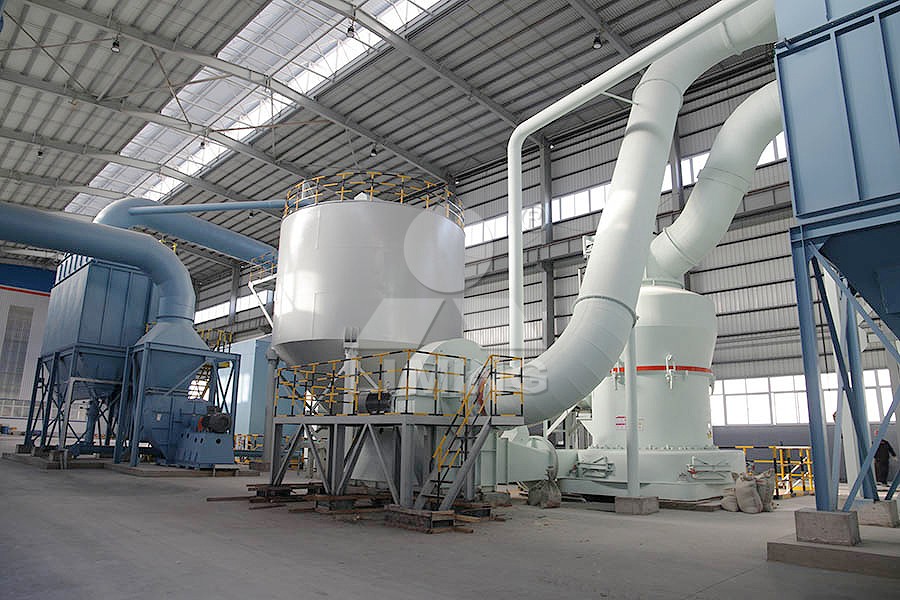
After extensive analysis of the Kazakh market’s specific needs and conditions, one solution stands out for dolomite grinding applications: the MW Ultrafine Grinding Mill. This advanced grinding system offers particular advantages for steel flux production with its 0-20 mm input size capability and 0.5-25 tph production capacity range.
The MW Ultrafine Grinding Mill incorporates several innovative features that make it exceptionally well-suited for dolomite processing:
- Higher Yielding, Lower Energy Consumption: Newly designed grinding curves of grinding roller and grinding ring enhance grinding efficiency, delivering 40% higher production capacity than jet grinding mills with system energy consumption reduced to just 30% of comparable systems.
- Adjustable Fineness Between 325-2500 Meshes: The German-technology cage-type powder selector ensures precise particle size control, critical for steel flux applications where consistency directly impacts steel quality.
- No Rolling Bearing & Screw in Grinding Chamber: This unique design eliminates concerns about bearing damage or loose screws causing operational downtime, a significant advantage in remote Kazakh locations where technical support may not be immediately available.
- Eco-friendly Operation: Integrated pulse dust collector and muffler systems ensure compliance with Kazakhstan’s environmental standards while maintaining a clean working environment.
Alternative Solution: LUM Ultrafine Vertical Grinding Mill
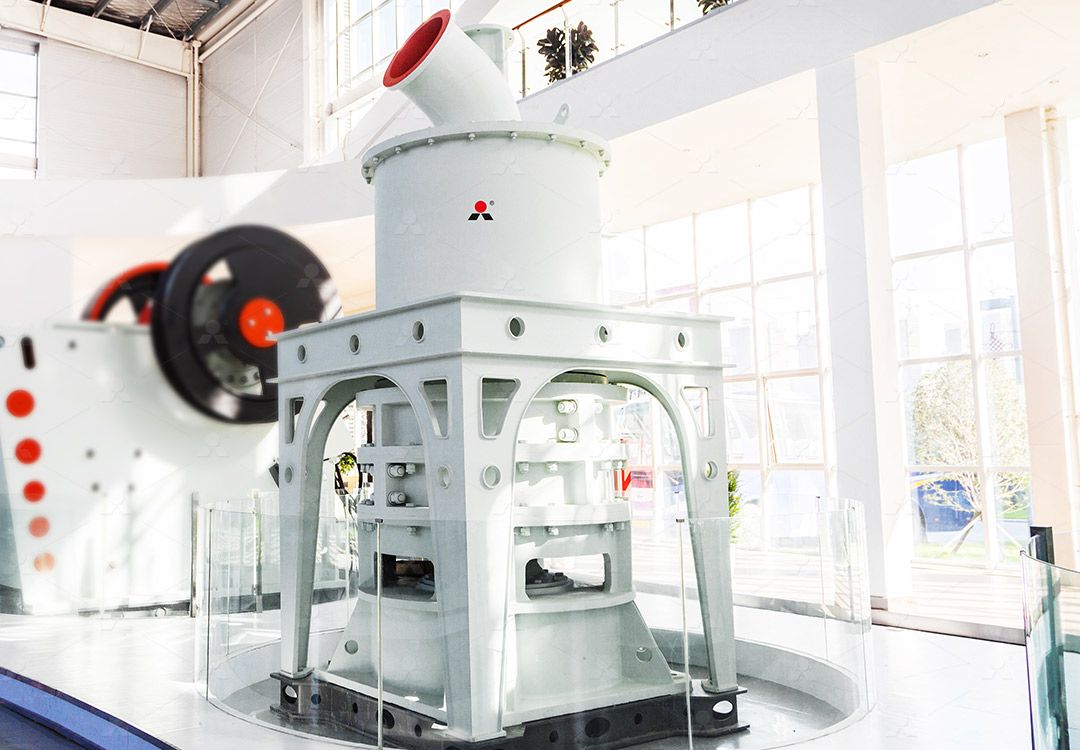
For operations requiring slightly different specifications, the LUM Ultrafine Vertical Grinding Mill presents another excellent option with its 0-10 mm input size and 5-18 tph capacity. This mill integrates the latest Taiwanese grinding roller technology with German powder separating technology, offering exceptional precision for demanding steel flux applications.
The LUM mill’s double position-limiting technology ensures operational stability even under challenging conditions, while its reversible structure simplifies maintenance – an important consideration in Kazakhstan’s sometimes harsh operating environments.
Logistical Considerations for Equipment Procurement in Kazakhstan
Purchasing industrial grinding equipment in Kazakhstan involves navigating specific logistical challenges:
Local Support and Service
When selecting equipment suppliers, verify their local service capabilities and spare parts availability. Equipment with simplified maintenance requirements and readily available spare parts significantly reduces operational risks.
Customs and Import Procedures
Kazakhstan’s import regulations require careful attention to documentation and certification. Working with suppliers experienced in exporting to Kazakhstan can streamline this process considerably.
Infrastructure Compatibility
Ensure that selected equipment matches local power specifications and facility constraints. The compact design of vertical grinding mills often provides advantages in space-constrained existing facilities.
Economic Considerations
The total cost of ownership extends far beyond the initial equipment purchase. When evaluating dolomite pulverizers for steel flux production, consider:
- Energy consumption per ton of processed material
- Wear part replacement costs and frequency
- Maintenance labor requirements
- Expected equipment lifespan
- Resale value of equipment
Advanced grinding technologies like the MW Ultrafine Grinding Mill typically demonstrate superior economics over their operational lifespan, despite potentially higher initial investment.
Conclusion
Selecting the right dolomite pulverizer for steel flux production in Kazakhstan requires careful consideration of technical specifications, operational requirements, and local market conditions. The MW Ultrafine Grinding Mill emerges as a particularly suitable solution, offering the precise particle control, energy efficiency, and operational reliability that Kazakh steel producers require. By partnering with experienced equipment suppliers who understand both the technology and the local market, steel producers can optimize their dolomite processing operations for improved product quality and enhanced competitiveness in the global steel market.
Frequently Asked Questions
What is the typical lead time for delivery of grinding equipment to Kazakhstan?
Delivery timelines vary depending on equipment specifications and customization requirements, but typically range from 8-16 weeks from order confirmation to delivery at major Kazakh ports or industrial centers.
Can the MW Ultrafine Grinding Mill handle the specific characteristics of Kazakh dolomite deposits?
Yes, the MW mill is designed to process various dolomite compositions and hardness levels found in Kazakh deposits. We recommend providing sample material for testing to optimize machine configuration for your specific deposit.
What kind of after-sales support is available in Kazakhstan?
Comprehensive after-sales support includes installation supervision, operator training, routine maintenance services, and readily available spare parts through local service centers and direct shipments from manufacturing facilities.
How does the energy consumption of modern pulverizers compare to traditional ball mills?
Advanced grinding systems like the MW Ultrafine Grinding Mill typically reduce energy consumption by 30-50% compared to conventional ball mills while achieving superior product quality and higher production rates.
What particle size distribution is optimal for dolomite steel flux?
Most steel applications require dolomite powder between 200-325 mesh (74-44 microns), with specific size distributions depending on the steelmaking process and furnace type. The MW mill’s adjustable fineness control allows precise optimization for your application.
Are these grinding systems suitable for other minerals besides dolomite?
Yes, the MW and LUM grinding mills process various non-metallic minerals including limestone, calcite, barite, and talc, providing operational flexibility for diversified mineral processing operations.
What environmental protection features are incorporated?
Our grinding systems include integrated pulse dust collectors, mufflers, and noise elimination technologies that ensure compliance with Kazakh environmental regulations regarding dust emissions and noise pollution.
Can the equipment be customized for specific facility constraints?
Yes, we offer various customization options including different drive systems, structural modifications, and ancillary equipment configurations to accommodate specific space, power, or process requirements.