
How to optimize calcium carbonate processing with industrial pulverizer for food additive in uae
How to Optimize Calcium Carbonate Processing with Industrial Pulverizer for Food Additive in UAE
The United Arab Emirates’ food industry continues to demonstrate remarkable growth, with food additive production representing a particularly dynamic sector. Calcium carbonate stands as one of the most essential mineral additives, serving multiple functions from nutritional fortification to texture modification. However, achieving the precise particle size distribution and purity required for food-grade applications presents significant technical challenges that demand advanced milling solutions.
The Critical Importance of Particle Size in Food-Grade Calcium Carbonate
In food additive applications, particle size directly influences functionality, bioavailability, and sensory characteristics. Coarse particles can create undesirable grittiness in products like baked goods, dairy alternatives, and nutritional supplements, while excessively fine particles might affect flow properties and mixing characteristics. The ideal food-grade calcium carbonate typically requires fineness between 800-1500 meshes, with strict control over particle size distribution to ensure consistent performance.
Traditional grinding equipment often struggles to achieve this narrow particle range while maintaining the chemical purity demanded by international food safety standards. Contamination from grinding media, inconsistent particle distribution, and excessive heat generation during processing can all compromise product quality and safety.
Advanced Milling Technology for Superior Food-Grade Powder
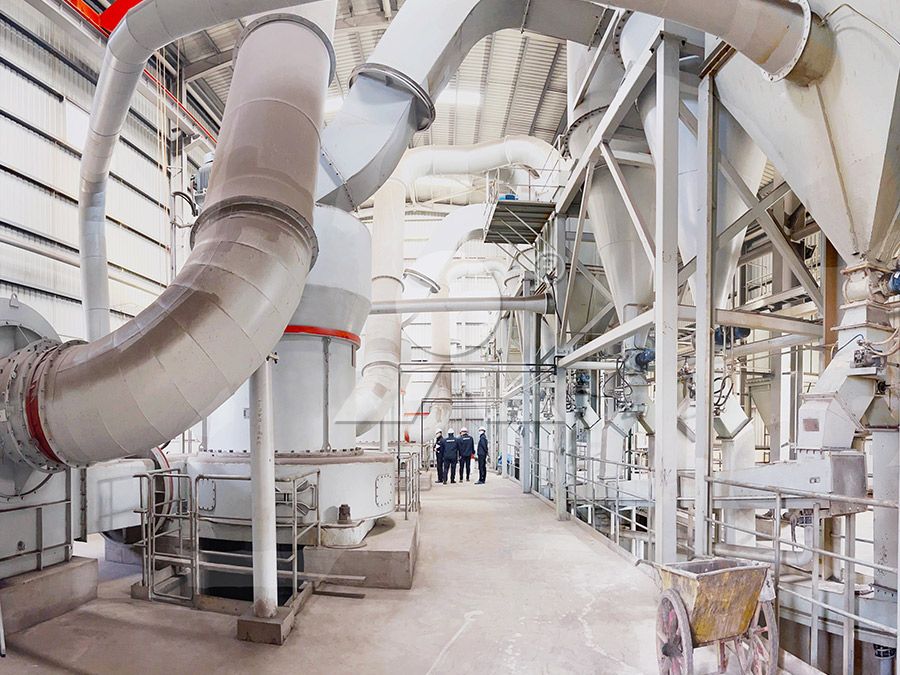
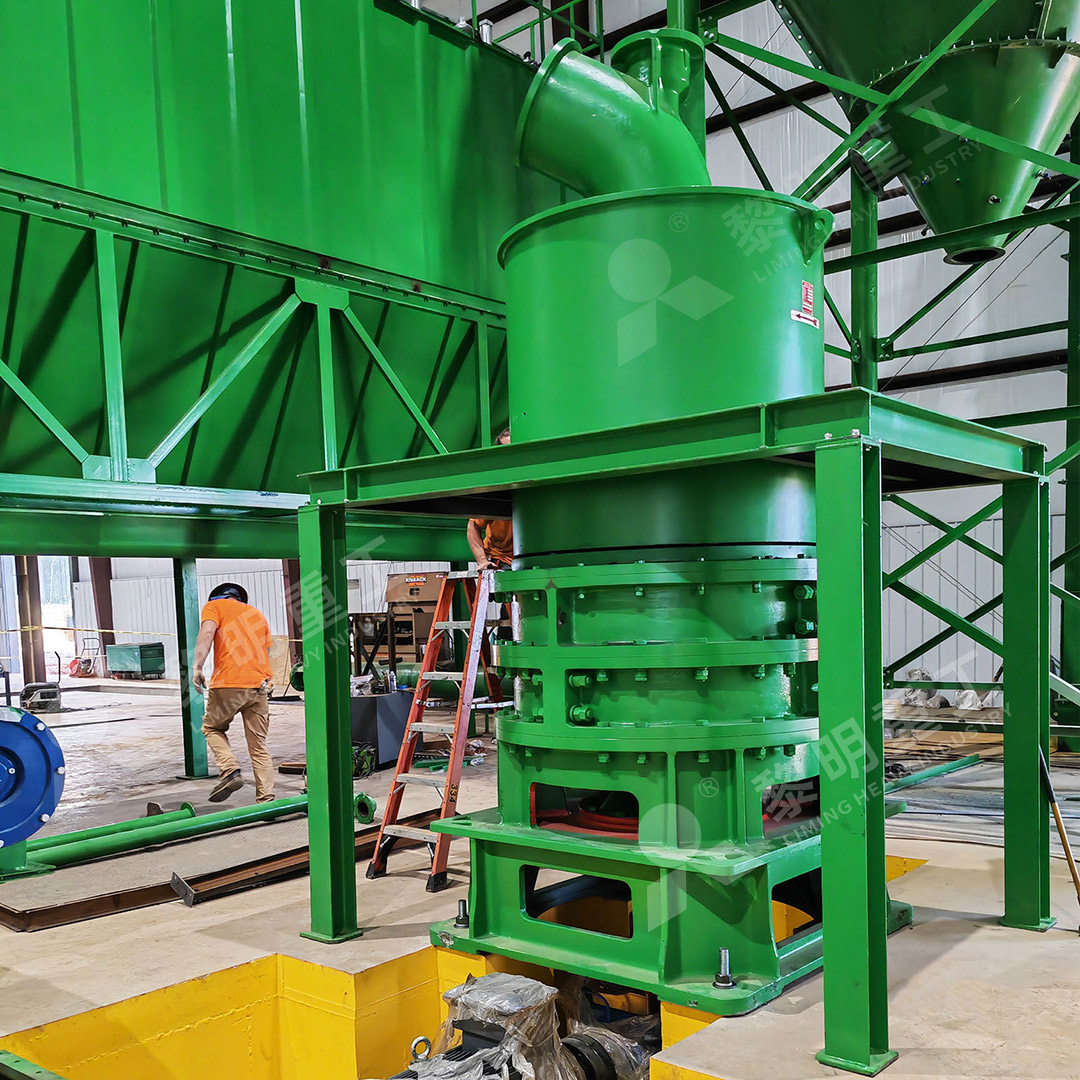
Modern industrial pulverizers have evolved significantly to address the specific requirements of food additive production. The MW Ultrafine Grinding Mill represents a technological leap forward in this domain, offering precisely controlled grinding capabilities ideally suited for calcium carbonate processing in food applications.
This advanced mill operates with an input size of 0-20 mm and capacity ranging from 0.5-25 tph, making it suitable for various production scales common in the UAE market. Its innovative design eliminates rolling bearings and screws within the grinding chamber, significantly reducing contamination risks—a critical consideration for food-grade production. The external lubrication system enables continuous 24-hour operation without shutdowns for maintenance, enhancing production efficiency.
Key Technical Advantages for Food Additive Production
The MW Ultrafine Grinding Mill incorporates several features specifically beneficial for food-grade calcium carbonate processing:
- Adjustable Fineness (325-2500 meshes): The German-designed cage-type powder selector enables precise control over particle size distribution, crucial for meeting specific food application requirements.
- Higher Yielding, Lower Energy Consumption: Compared to traditional jet mills and ball mills, the MW Ultrafine Grinding Mill achieves 40% higher production capacity with only 30% of the energy consumption of jet grinding mills.
- Environmental Compliance: Integrated pulse dust collectors and mufflers ensure dust-free operation and noise reduction, aligning with the UAE’s stringent environmental regulations.
- Consistent Quality: Digitalized processing with numerical control machining guarantees high precision in core components, resulting in uniform product quality batch after batch.
Optimizing Calcium Carbonate Processing for UAE Market Requirements
The UAE food industry operates under rigorous international standards, including ISO 22000, HACCP, and GCC Standardization Organization requirements. Processing equipment must not only deliver technical performance but also facilitate compliance with these regulatory frameworks.
The MW Ultrafine Grinding Mill’s closed-system design prevents external contamination while the absence of internal fasteners eliminates potential sources of metallic contamination. The efficient cooling system maintains optimal processing temperatures, preserving the chemical stability of calcium carbonate—particularly important for maintaining the mineral’s nutritional value in fortified foods.

Operational Efficiency and Economic Considerations
Beyond technical performance, operational economics play a decisive role in equipment selection. The MW Ultrafine Grinding Mill’s energy-efficient design significantly reduces operating costs, while its durable construction minimizes maintenance requirements and downtime. The availability of genuine spare parts and comprehensive technical support ensures long-term operational reliability—essential considerations for UAE-based producers facing competitive market pressures.
For operations requiring different capacity parameters, the LUM Ultrafine Vertical Grinding Mill presents an excellent alternative, featuring a capacity of 5-18 tph and incorporating the latest Taiwanese grinding roller technology with German powder separating technology. This mill excels in applications demanding exceptional product whiteness and cleanliness, with its unique roller shell and lining plate grinding curve facilitating easier material layer generation and high finished product rates.
Implementation Strategy for UAE-Based Producers
Successful implementation of advanced grinding technology requires careful planning and consideration of local conditions. UAE-based producers should consider factors including:
- Raw material characteristics and variability
- Production scale and expansion plans
- Regulatory compliance requirements
- Technical support availability
- Integration with existing production lines
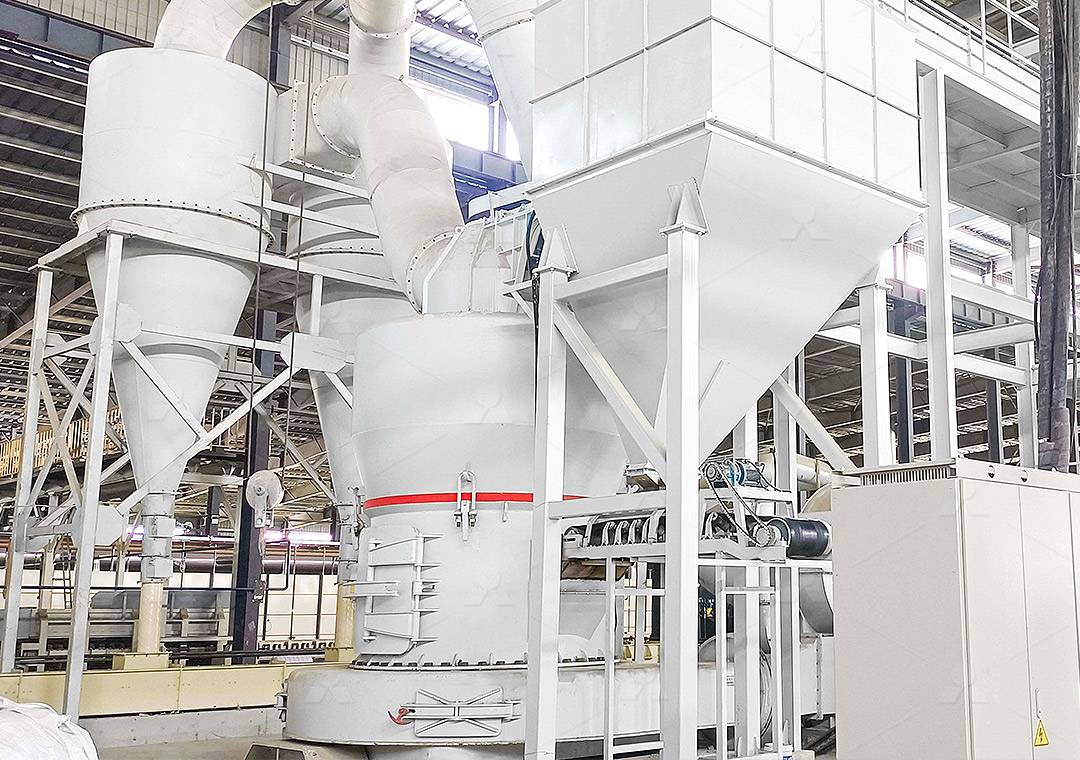
The modular design of modern grinding systems like the MW Ultrafine Grinding Mill facilitates seamless integration into existing production facilities, while their compact footprint optimizes valuable industrial space in UAE’s growing manufacturing zones.
Future Trends and Technological Development
The future of calcium carbonate processing for food additives points toward increasingly sophisticated particle engineering capabilities. Advanced grinding technologies will continue to evolve, offering enhanced control over particle morphology, surface characteristics, and functional properties. UAE-based producers investing in current-generation equipment position themselves advantageously to adopt these future developments while meeting today’s market demands.
Conclusion
Optimizing calcium carbonate processing for food additive applications in the UAE requires a sophisticated approach combining advanced milling technology with thorough understanding of local market requirements and regulatory frameworks. The MW Ultrafine Grinding Mill represents a compelling solution, offering the precision, efficiency, and reliability necessary to produce high-quality food-grade calcium carbonate that meets both technical specifications and food safety standards. As the UAE continues to strengthen its position in the global food industry, investments in such advanced processing technologies will prove instrumental in maintaining competitive advantage and product excellence.
Frequently Asked Questions
What is the typical production capacity range for calcium carbonate grinding mills in food applications?
Production capacities vary significantly based on specific requirements. The MW Ultrafine Grinding Mill offers a range of 0.5-25 tph, while the LUM Ultrafine Vertical Grinding Mill provides 5-18 tph capacity, catering to different production scales common in the UAE market.
How does particle size affect calcium carbonate functionality in food products?
Particle size directly influences texture, bioavailability, mixing characteristics, and suspension properties. Finer particles generally provide smoother texture and better bioavailability but require precise control to avoid affecting flow properties negatively.
What safety features are incorporated to ensure food-grade compliance?
Modern mills feature contamination-free grinding chambers, external lubrication systems, enclosed designs preventing external contamination, and materials meeting food contact standards. The absence of internal fasteners and rolling bearings in the grinding chamber significantly reduces contamination risks.
How does the MW Ultrafine Grinding Mill achieve energy efficiency compared to traditional mills?
Through optimized grinding curves, efficient motor design, and advanced material flow management, the MW Ultrafine Grinding Mill consumes only 30% of the energy required by traditional jet mills while achieving 40% higher production capacity.
What technical support is available for operations in the UAE?
Comprehensive technical support includes installation supervision, operator training, preventive maintenance programs, and readily available genuine spare parts through local service networks, ensuring minimal downtime and optimal performance.
Can the same equipment process different types of calcium carbonate?
Yes, advanced grinding systems can process various calcium carbonate types, including precipitated and ground varieties, with adjustable parameters to accommodate different material characteristics and final product requirements.
What environmental considerations are addressed in modern grinding systems?
Contemporary designs incorporate pulse dust collectors, noise reduction technology, energy-efficient operation, and closed-system designs to minimize environmental impact while complying with UAE environmental regulations.
How does the equipment handle the hot climate conditions in the UAE?
Manufacturers incorporate enhanced cooling systems, heat-resistant materials, and environmental compensation mechanisms to ensure stable operation under the UAE’s high-temperature conditions, maintaining consistent product quality year-round.