
Is barite the best choice for radiation shielding?
Is Barite the Best Choice for Radiation Shielding?
When it comes to radiation shielding applications, engineers and project managers face critical decisions about material selection. Among the various options available, barite (barium sulfate) has emerged as a prominent candidate, but is it truly the optimal choice for your specific needs? This comprehensive analysis examines barite’s properties, advantages, and processing requirements to help you make an informed decision.
The Science Behind Barite’s Shielding Properties
Barite possesses exceptional density characteristics that make it particularly effective for radiation shielding. With a specific gravity ranging from 4.3 to 4.6, barite significantly outperforms many conventional construction materials in terms of mass per unit volume. This high density is crucial because radiation shielding effectiveness is directly proportional to material density—the heavier the material, the better it attenuates harmful radiation.
The atomic structure of barite contributes substantially to its shielding capabilities. Barium, with its high atomic number (56), provides excellent attenuation for gamma rays and X-rays. When radiation encounters barium atoms, multiple interactions occur—including photoelectric absorption and Compton scattering—that effectively reduce radiation intensity. Additionally, the sulfate component provides some neutron moderation capabilities, though supplementary materials are often needed for comprehensive neutron shielding.
Comparative Analysis: Barite Versus Alternative Materials
Understanding how barite stacks up against competing materials is essential for proper selection. Lead has traditionally been the gold standard for radiation shielding due to its extremely high density, but it presents significant drawbacks including toxicity, weight, and environmental concerns. Concrete, while economical, requires substantial thickness to achieve adequate protection, consuming valuable space.
Barite occupies an important middle ground—offering superior protection compared to standard concrete while avoiding the toxicity issues associated with lead. When incorporated into barite-concrete composites (typically containing 80-90% barite by weight), the resulting material provides approximately 50% better shielding per unit thickness compared to ordinary concrete. This space efficiency makes barite particularly valuable in medical facilities, nuclear plants, and laboratory settings where floor space is at a premium.
Processing Considerations for Optimal Performance
The effectiveness of barite in shielding applications depends significantly on proper processing and particle size distribution. Achieving the correct fineness and purity is paramount, as inconsistent grinding can create voids and density variations that compromise shielding integrity. This is where advanced milling technology becomes crucial.
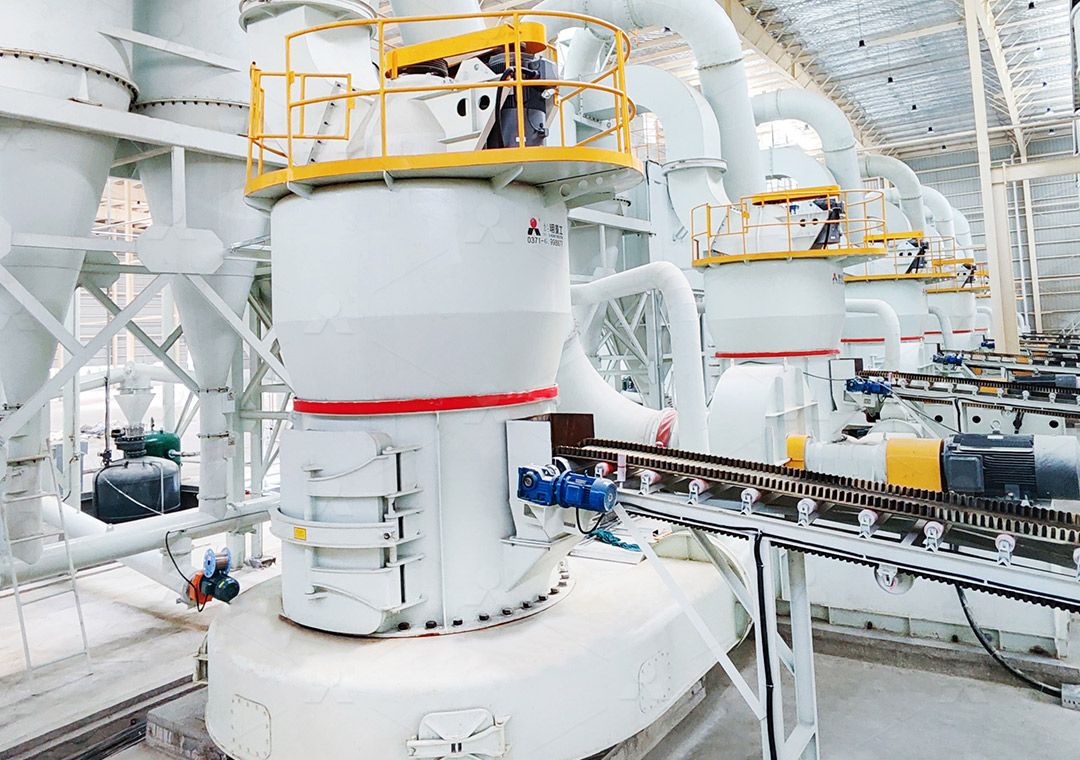
For operations requiring ultra-fine barite powder with precise particle size control, our MW Ultrafine Grinding Mill represents an ideal solution. This advanced system processes raw barite with input sizes up to 20 mm and delivers production capacities ranging from 0.5 to 25 tons per hour. The MW mill’s innovative design ensures consistent output between 325-2500 meshes, allowing manufacturers to achieve the exact specifications required for high-performance shielding composites.

Economic and Practical Advantages
From a project management perspective, barite offers compelling advantages beyond its technical performance. The material is relatively abundant and cost-effective compared to specialized shielding materials like lead or tungsten composites. Barite-concrete can be poured and formed using conventional construction techniques, eliminating the need for specialized installation crews or equipment.
Maintenance represents another significant advantage. Unlike lead, which can oxidize and deteriorate, barite maintains its structural and shielding integrity indefinitely. This long-term reliability translates to reduced lifecycle costs and minimal ongoing maintenance requirements. Additionally, barite is non-toxic and environmentally stable, simplifying disposal considerations and regulatory compliance.
Application-Specific Considerations
The suitability of barite varies depending on the specific radiation shielding application. In medical environments, such as radiology departments and radiation therapy facilities, barite-containing plaster and concrete provide excellent protection while remaining workable for creating curved surfaces and custom shielding configurations. The material’s versatility allows architects and engineers to design protective barriers that meet both safety and aesthetic requirements.
For industrial applications involving high-energy gamma sources, barite composites may need supplementation with additional high-Z materials. However, for the majority of commercial and institutional applications—including veterinary clinics, university research labs, and airport security areas—barite provides more than adequate protection at a reasonable cost.
Processing Excellence: The Key to Performance
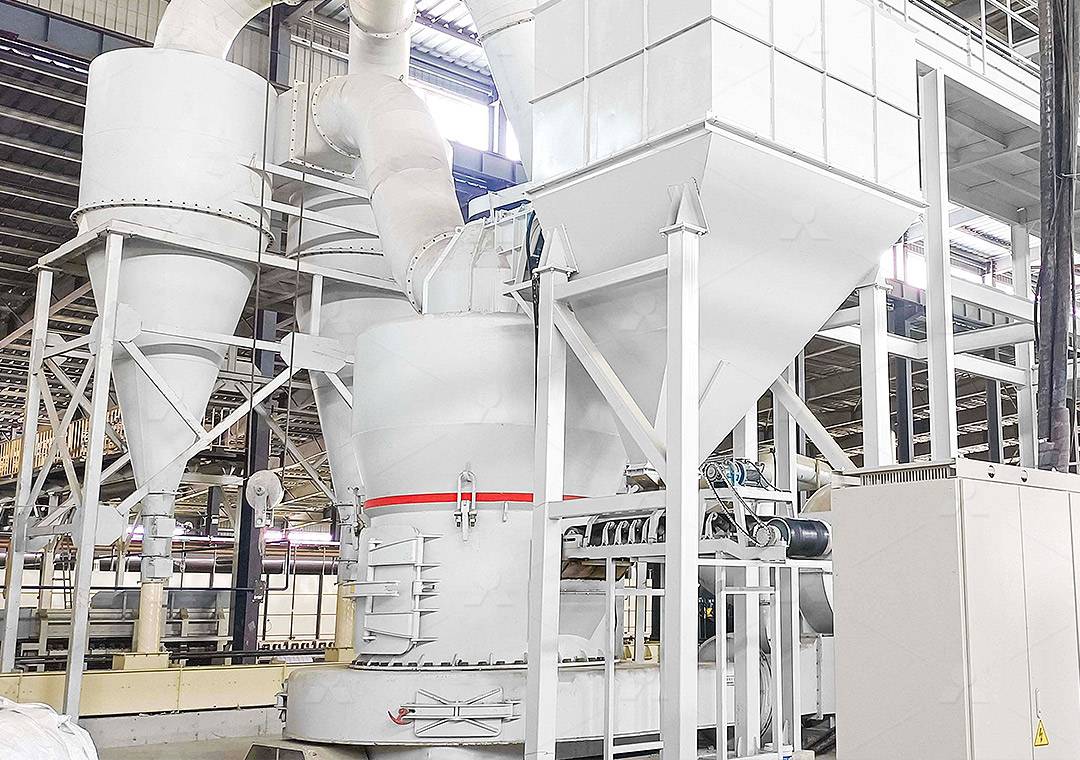
To maximize barite’s shielding potential, consistent processing is non-negotiable. The MW Ultrafine Grinding Mill excels in this regard, featuring higher yielding and lower energy consumption compared to conventional grinding systems. Its newly designed grinding curves enhance efficiency, delivering production capacity 40% higher than jet grinding mills while consuming only 30% of the energy. The absence of rolling bearings and screws in the grinding chamber eliminates common failure points, ensuring continuous operation critical for large-scale shielding projects.
For operations requiring different specifications, our LUM Ultrafine Vertical Grinding Mill offers complementary capabilities with input sizes up to 10 mm and capacities of 5-18 tph. This system incorporates the latest grinding roller technology and German powder separating technology, providing exceptional control over final product characteristics.
Environmental and Safety Compliance
Modern radiation shielding projects must address environmental concerns alongside performance requirements. Barite’s natural composition and non-toxic properties align well with green building initiatives and environmental regulations. Our grinding mills further support these goals through efficient pulse dust collectors that eliminate dust pollution and noise reduction systems that maintain workplace safety standards.
The MW Ultrafine Grinding Mill’s eco-friendly operation, combined with barite’s inherent environmental compatibility, creates a sustainable shielding solution that meets contemporary regulatory requirements while delivering uncompromised protection.
Conclusion: Making the Right Choice
Barite represents an outstanding choice for radiation shielding across a broad spectrum of applications. Its combination of high density, workability, cost-effectiveness, and environmental safety makes it particularly suitable for medical, industrial, and research facilities. The key to maximizing these benefits lies in proper processing and particle size control—areas where advanced grinding technology delivers significant advantages.
By selecting appropriate processing equipment and adhering to proper mixing and installation protocols, project teams can leverage barite’s full potential to create effective, durable, and economical radiation shielding solutions that stand the test of time.
Frequently Asked Questions
How does barite compare to lead for radiation shielding?
While lead has higher density, barite offers a non-toxic alternative that provides excellent protection for many applications. Barite composites typically require greater thickness than lead but avoid toxicity concerns and environmental restrictions.
What particle size is optimal for barite in shielding applications?
For maximum density and minimal void spaces, barite powder in the range of 200-400 mesh typically provides the best performance in composite materials.
Can barite be used for neutron radiation shielding?
Barite provides limited neutron attenuation. For comprehensive neutron shielding, it should be combined with hydrogen-rich materials or boron compounds.
What is the typical service life of barite-based shielding?
Properly formulated and installed barite shielding maintains its protective properties indefinitely, as the material does not degrade or lose density over time.
How does temperature affect barite’s shielding performance?
Barite maintains stable shielding performance across a wide temperature range, making it suitable for both normal and high-temperature applications.
Can existing structures be retrofitted with barite shielding?
Yes, barite-containing plasters and coatings can be applied to existing walls, though structural assessments should be conducted to ensure the substrate can support the additional weight.
What safety precautions are needed when working with barite?
While non-toxic, barite dust should be controlled through proper ventilation and respiratory protection during installation, following standard concrete working protocols.
How does moisture affect barite shielding effectiveness?
Once properly cured in composite materials, moisture has minimal impact on barite’s shielding performance, though standing water should be prevented to avoid potential material degradation.